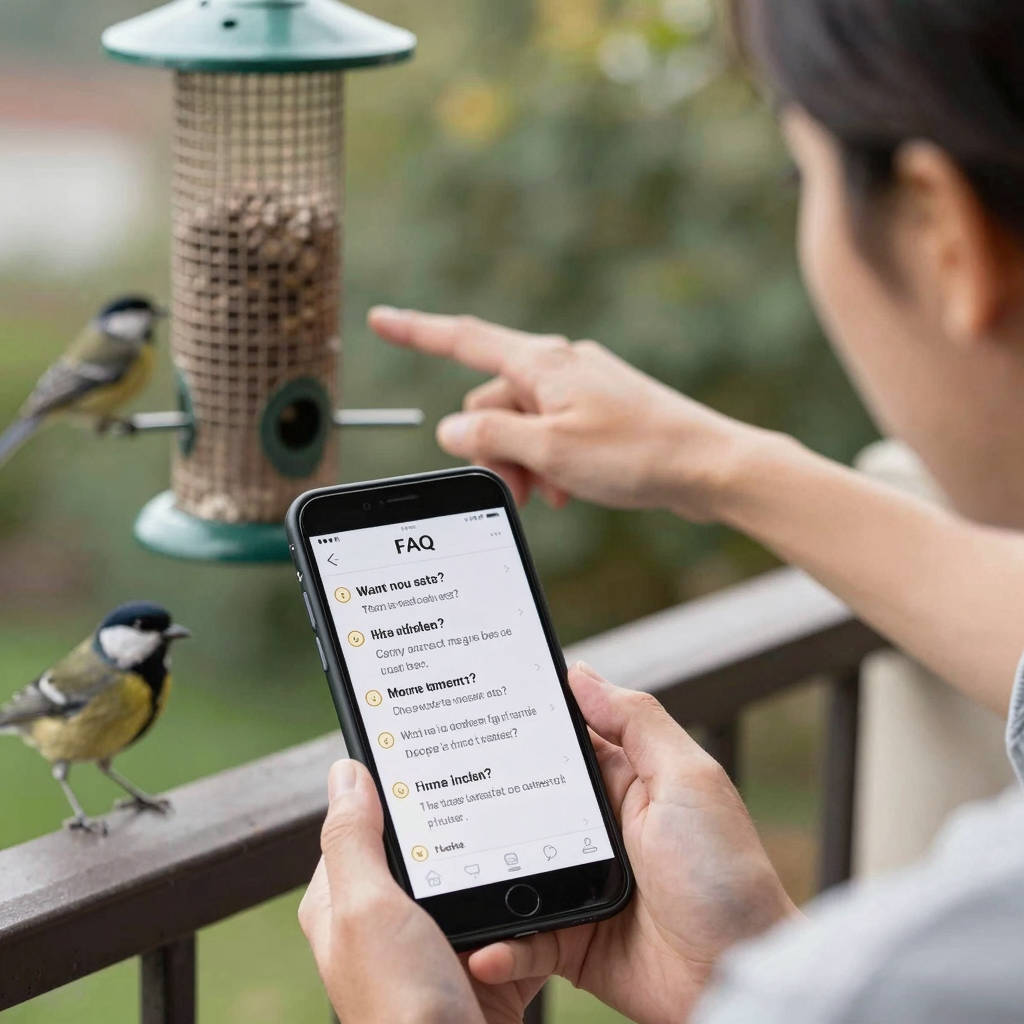
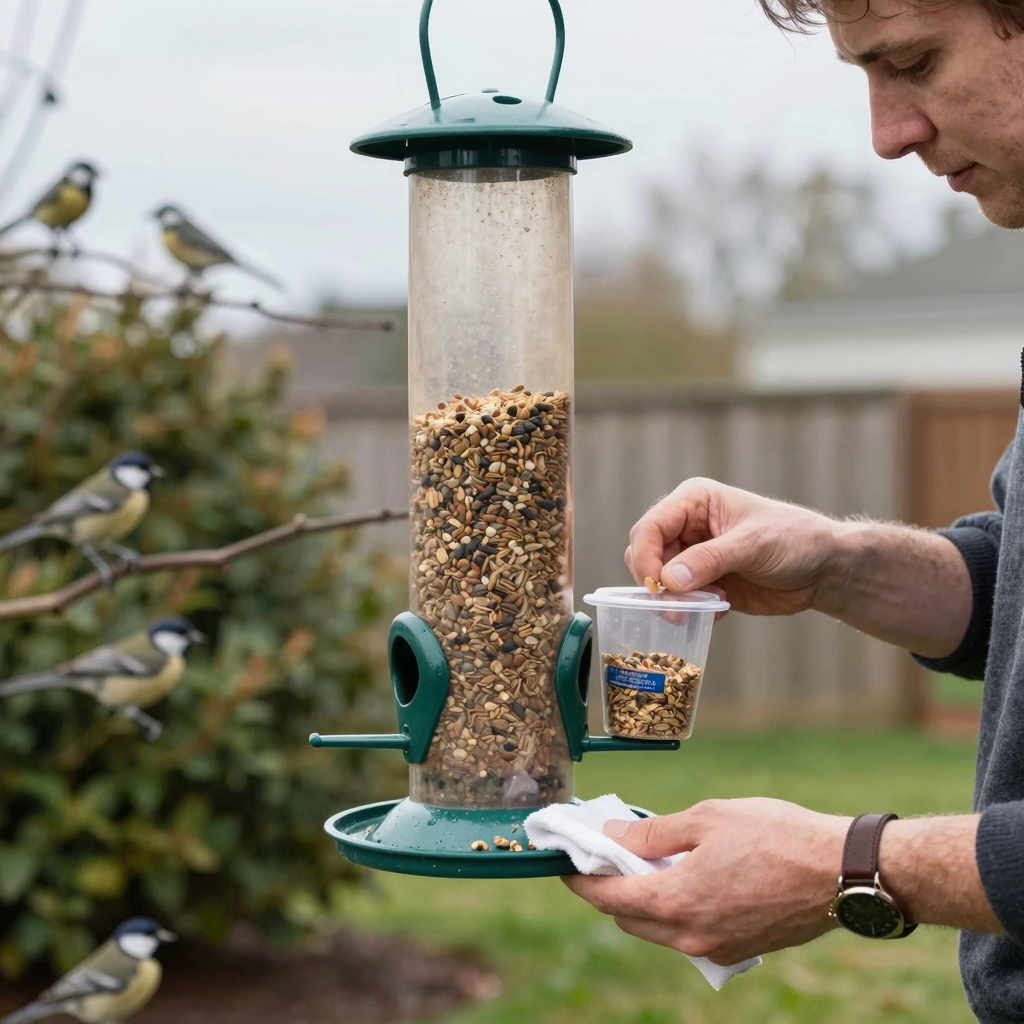

Turning your balcony or yard into a bird magnet is easier than you think—and once the first visitors show up, it’s hard to stop smiling. When you set up the right feeders in the right places, birds start viewing your space as a safe, reliable food stop. I’ve found that even in an apartment high-rise, you can still create real bird-attraction momentum fast by starting with feeders instead of trying to build a “perfect habitat” overnight. You’ll learn how to choose feeder types, pick seed that actually gets eaten, place everything for safety, and avoid the common problems like waste and spoilage. By the end, you’ll have a simple plan you can copy whether you’ve got a tiny balcony, a small yard, or both.
Key Takeaways
- Start with feeders first—especially in apartments—so birds can find food quickly.
- Use smaller feeders at first to prevent seed from sitting too long and spoiling.
- Match feeder types to birds: tube feeders often work great for small songbirds.
- Offer a variety of seeds using separate feeders (sunflower, nyjer/thistle, peanuts) to attract more species.
- Place feeders near cover (plants, branches) so birds feel safe while feeding.
- Expect to refine: once you see who’s visiting, adjust seed types and feeder placement.
Quick Answer
To attract birds, set up a few feeder types (like a tube feeder and a sunflower feeder), fill them with “proven” foods (black oil sunflower seed is a great baseline), place feeders where birds can approach safely from nearby cover, and keep the setup consistent. Start small to reduce spoilage, then add variety once you see regular visitors.
What You Need
| Item | Purpose | Notes |
|---|---|---|
| Bird feeder(s) (tube and/or platform) | Provide easy access to food | Choose feeder style based on bird type you want |
| Suction-cup or balcony-friendly feeder mounts | Help place feeders safely and securely near glass | Useful for apartments; follow your product directions |
| Seed for separate feeders (black oil sunflower, nyjer/thistle, peanuts) | Attract different bird species | Separate feeders reduce waste and improve results |
| Squirrel-proof feeder or squirrel-resistant design | Reduce seed loss | Not required everywhere, but helpful if squirrels visit |
| A small roof/shelter on the feeder (or sheltered feeder style) | Keeps food drier and birds comfortable | Helps especially in windy or rainy weather |
| Nearby cover (pots of plants, shrubs, railing greenery, branches nearby) | Gives birds a safe approach and “escape” spots | Even a few potted plants can make a big difference |
Step 1: Understand Your Space and Bird Access
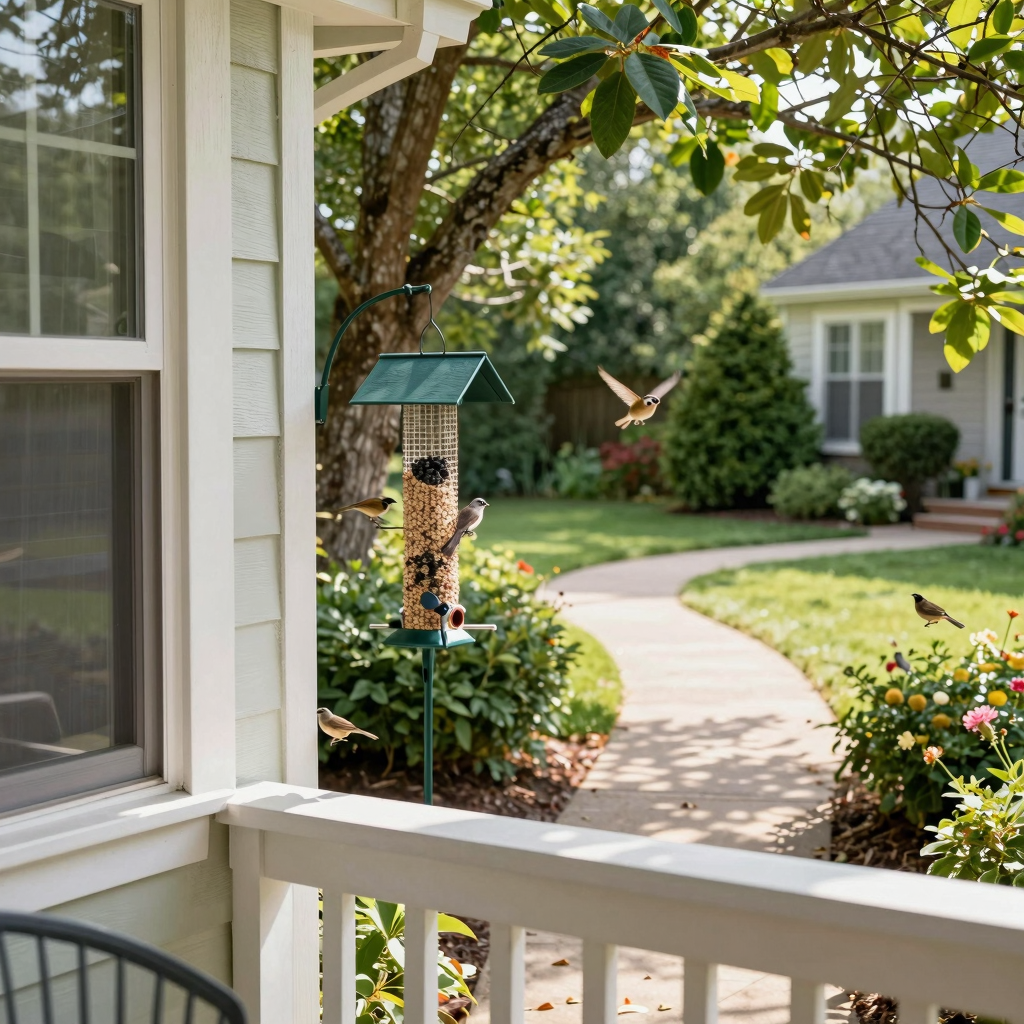
Before I hang a feeder, I look at what “access” really means in my specific space—balcony vs. yard are different worlds, even when they’re the same size.
- Decide if you’re working with one area or both. If you have a balcony and a yard, I treat it like two bird stops. A balcony feeder can handle quick visits, while a yard feeder can attract calmer, longer stays.
- Expect apartment limits—and use feeders to beat them. High-rise living usually means fewer natural food sources and fewer nesting spots. That’s okay. One strong approach is to build your setup around feeders first. It’s a simple, proven way to make birds notice you.
- Plan for how birds will approach. Birds feel safer when they can move from cover to the feeder without being exposed the whole time. So I imagine the “path” they’ll take: from plants/rails nearby → to feeder → back to cover.
Step 2: Start With Feeders (Apartment/Balcony-Friendly Approach)
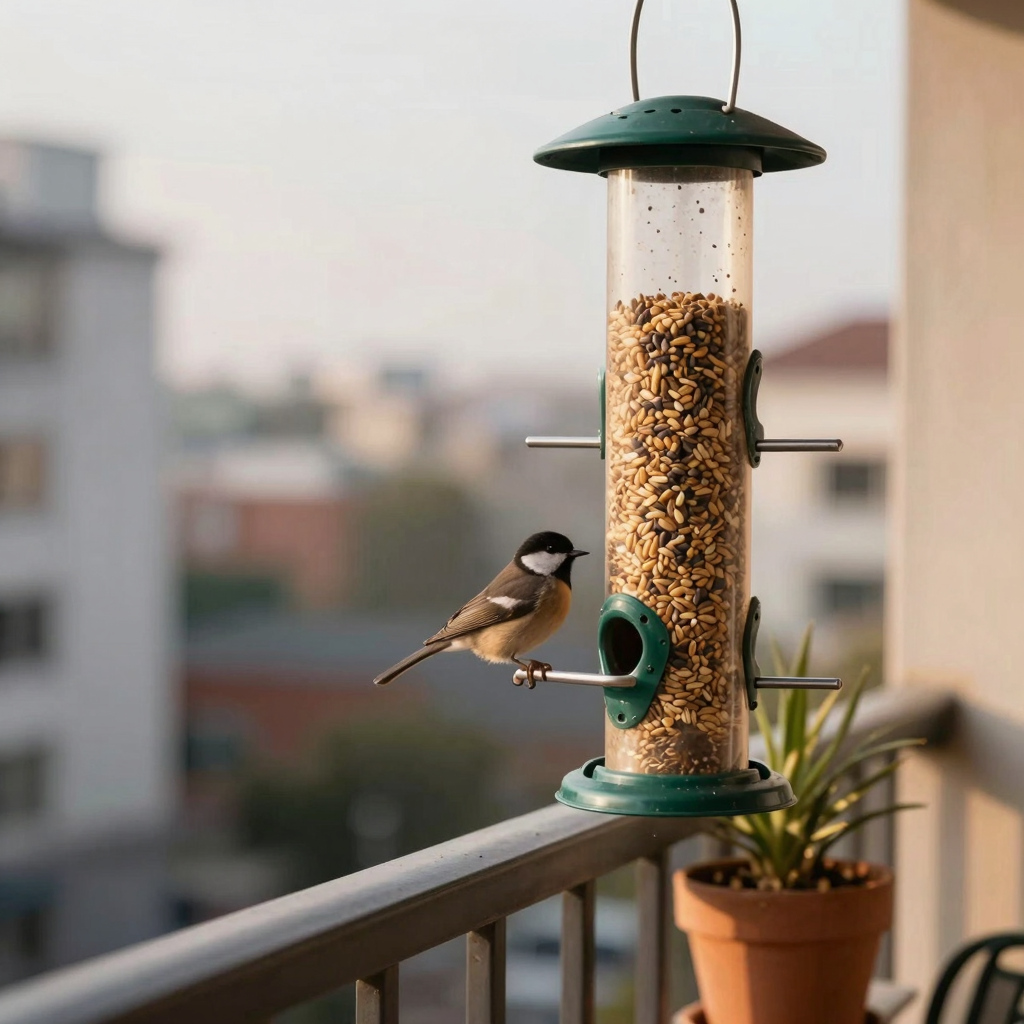
When I want fast results, I don’t start with building a huge habitat. I start with feeders because birds can find them immediately—and because feeders are easier to manage in smaller spaces.
Here’s what I do:
- Begin with a small number of feeders. Too many at once can mean too much seed sitting around. Start with just 1–3 feeders.
- Use smaller feeders at first. This reduces the chance that seed will get wet, stale, or spoiled before birds arrive. It also makes cleaning and refill easier.
- Choose balcony-safe placement. If I’m on a balcony and using a feeder near glass, I consider balcony-friendly mounting options (like suction-cup feeders) to reduce collision risk. In general, placing feeders in a way that improves visibility and safety is a big deal.
- Think “steady and predictable.” Birds return when they know where food is. I keep the feeder filled on a schedule and don’t let it go empty for long stretches.
Step 3: Match Feeder Type to Target Birds
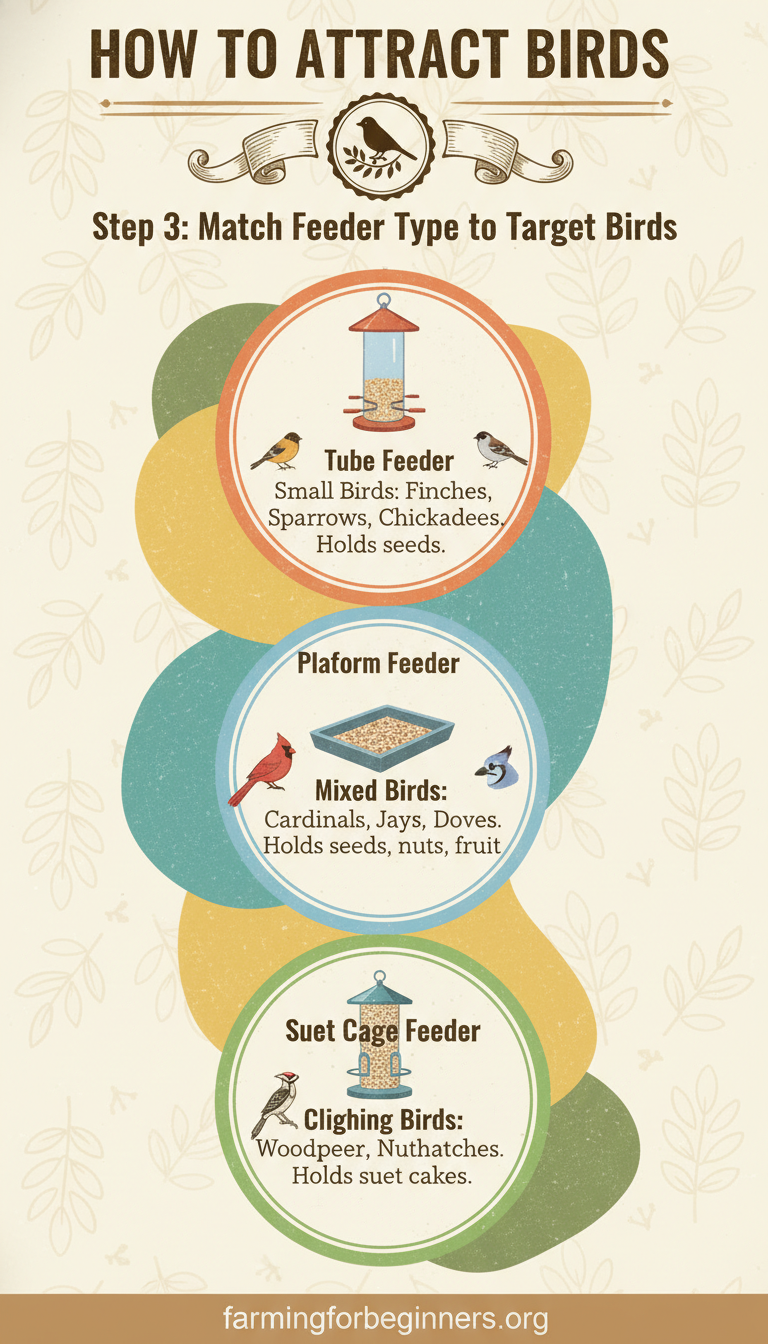
Not all feeders work for all birds. When I match feeder style to bird size and feeding habits, visitors increase—sometimes quickly.
- Use tube feeders for small birds (especially small songbirds). Tube feeders can work well because many small birds can feed from the openings, and they’re easier to manage than open bowls.
- Look for sheltered options or add simple protection. A small roof or sheltered feeder style helps keep food dry and makes feeding more comfortable, especially in wind or light rain.
- Place feeders near plants or branches. I aim to have nearby natural cover so birds can approach confidently. If the feeder is out in the open with no nearby “hide,” I often see fewer visits.
Step 4: Build a Seed Plan That Attracts More Species
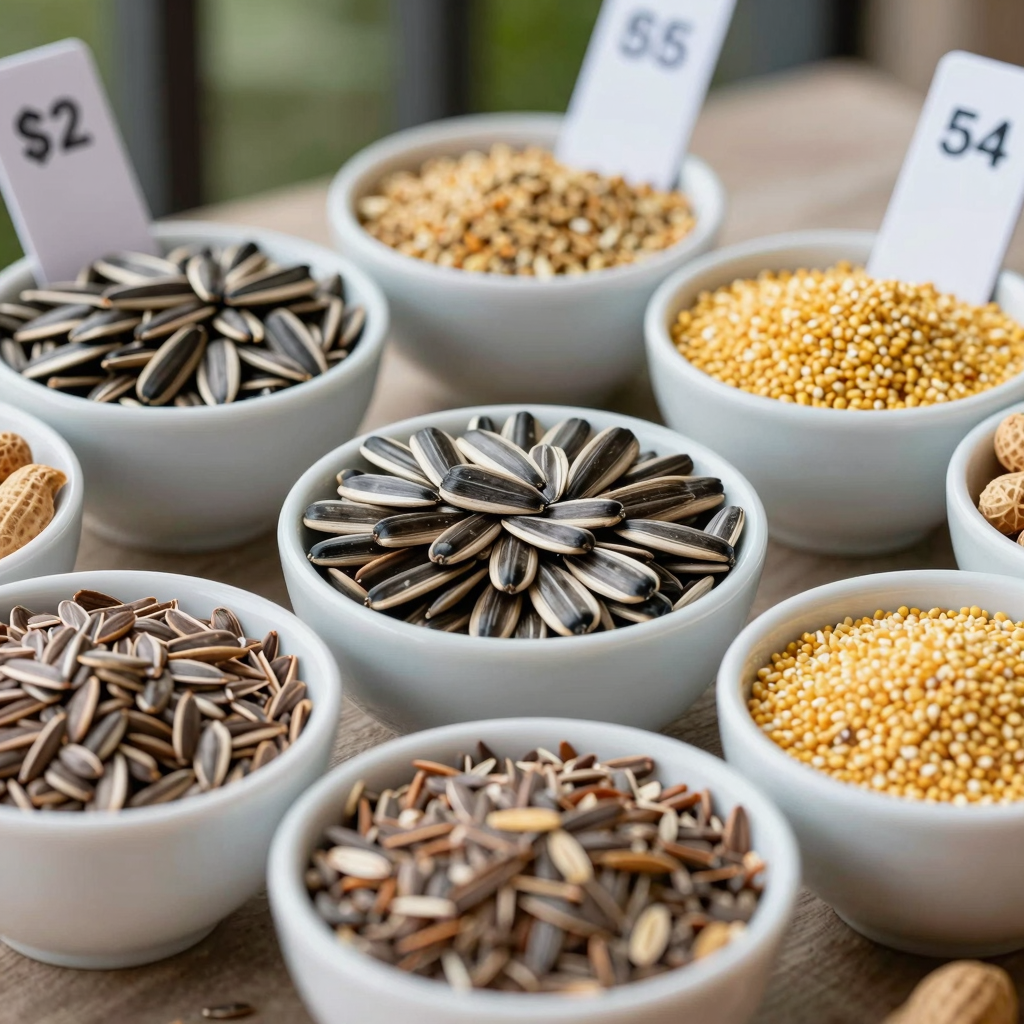
This is where I get the biggest payoff: offering the right foods in the right way.
Instead of relying on one generic seed blend, I create a simple seed plan:
- Offer a diverse mix of seeds. Different birds prefer different foods, and variety brings variety.
- Use separate feeders for different seed types. This reduces waste (birds pick what they like and ignore the rest) and makes it easier to fine-tune later.
- Use black oil sunflower seed as a baseline. It’s one of the most widely loved options and appeals to many birds, so it’s a great “start here” seed.
- Add nyjer (thistle) and peanuts in their own feeders. Nyjer often draws specific smaller finch-type birds, and peanuts can bring other species that like higher-protein foods.
If I only have room for one feeder at first, I start with sunflower. Then once I see regular visitors, I add a second feeder type and seed category.
Step 5: Feeder Placement Strategies for More Visitors
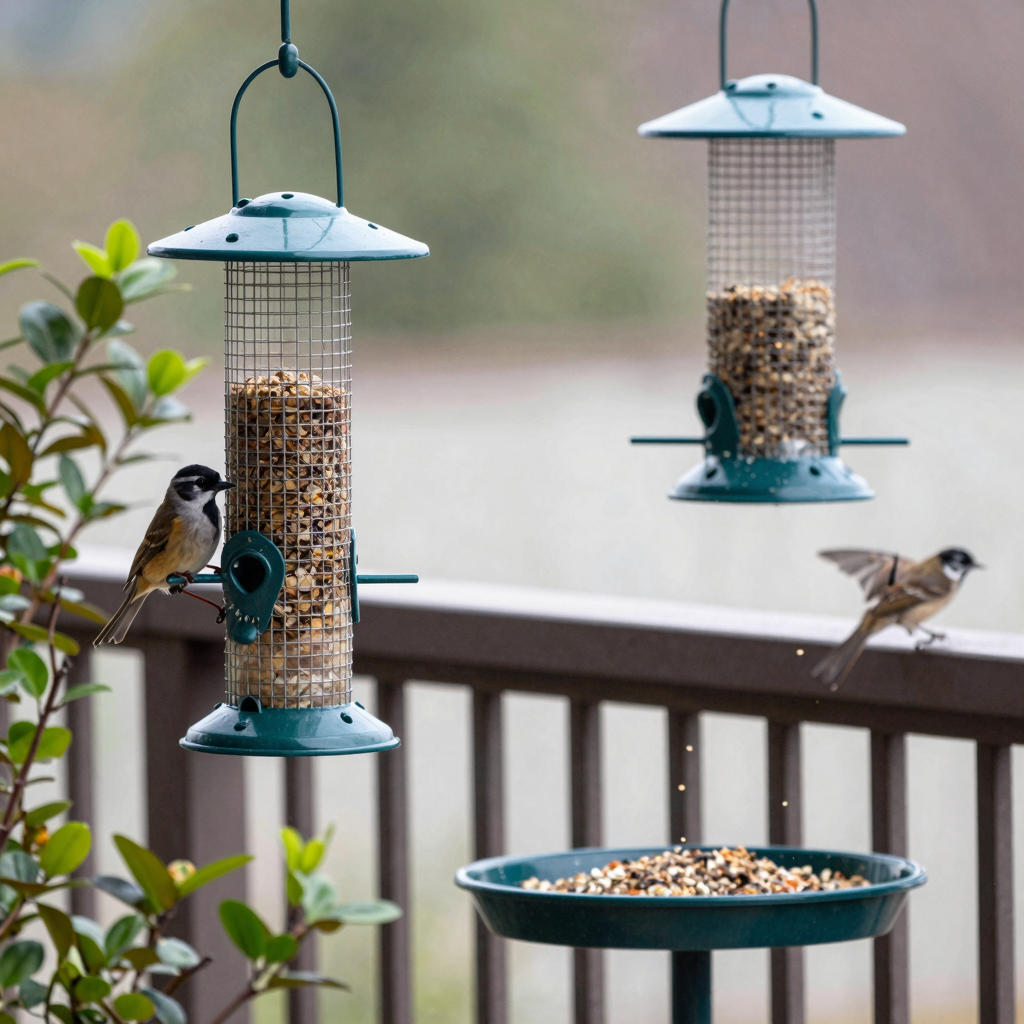
Placement can make or break your results. I can’t stress this enough: even the best feeder won’t help if birds don’t feel safe approaching it.
Here’s my placement checklist:
- Make a clear route between cover and food. I position feeders so birds can fly in from plants/rail greenery and don’t have to cross open space in a way that feels risky.
- Put feeders where they’re easy to access. Birds need workable landing space. On a balcony, that might mean placing the feeder where they can hover/land comfortably.
- Aim for your specific micro-space. Small spaces behave differently. Sometimes moving a feeder just a few feet changes everything because it changes bird approach angles and nearby cover.
- Watch for “pattern behavior.” If I notice birds coming in from one direction, I adjust placement slightly to align with that approach.
Step 6: Prevent Common Feeding Problems (Waste and Competition)
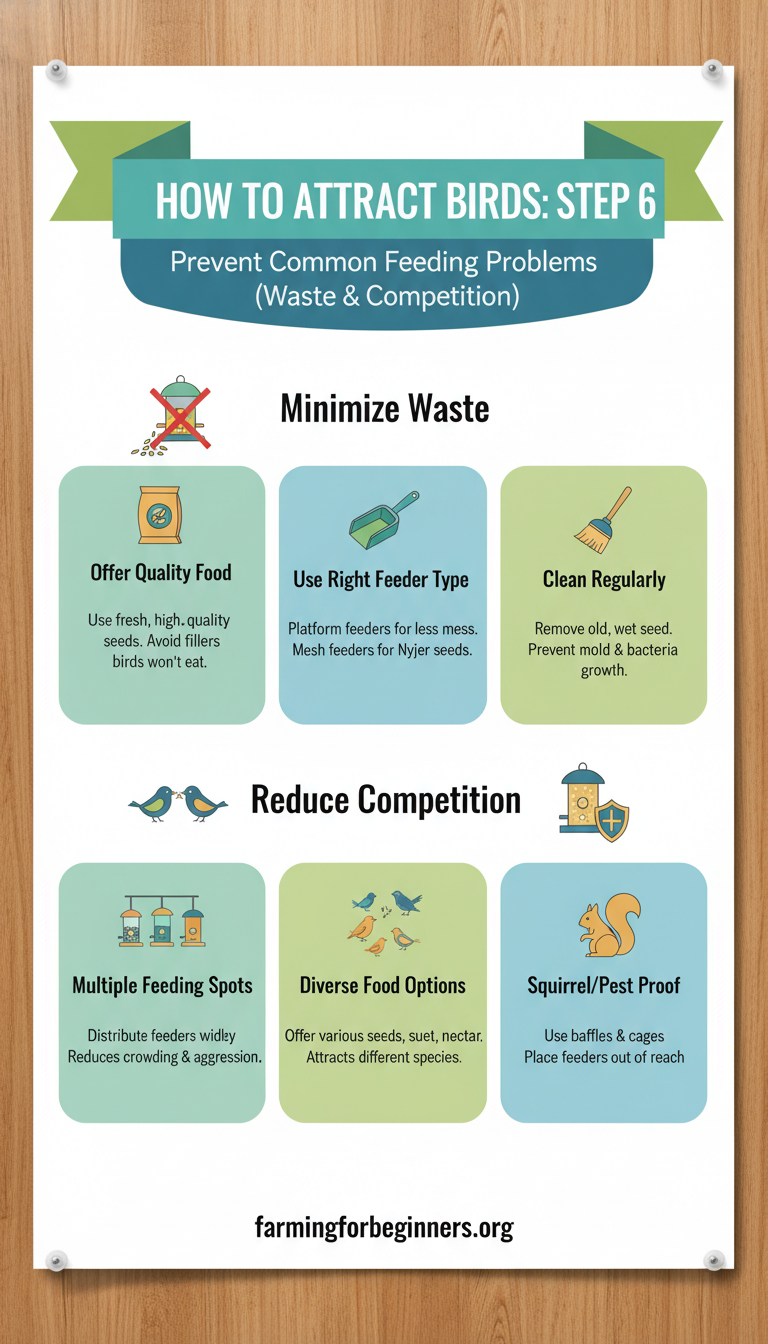
If your birds come for a day and then disappear, it’s often because the setup isn’t working smoothly—usually due to spoilage, waste, or dominant competitors.
I tackle the common issues like this:
- Prevent spoilage by starting small. If I fill a feeder once and it sits too long, seed gets wet or stale. Small feeders help.
- Reduce wasted seed with seed-specific feeders. When I use one mixed blend in one feeder, birds tend to take favorites and leave the rest. That leftover seed rots or gets messy. Separate feeders for sunflower, nyjer, and peanuts make visits more efficient.
- Consider squirrel-proof design. If squirrels are around, I don’t just wait and hope. I use squirrel-resistant or squirrel-proof approaches to protect my seed and keep the feeding area bird-friendly.
- Keep the area clean. I remove old, wet, or moldy seed when I refill. It’s one of the simplest “quality upgrades” you can make.
Step 7: Scale Up and Refine Over Time
Once birds discover your setup, it’s time to improve it based on what you’re actually seeing—not what you think should show up.
My “refine” process:
- After the first visitors, add variety. If I’m getting mostly one type of bird, I add feeder/seed options that attract different species.
- Adjust based on who shows up. If birds are ignoring a feeder, I switch the seed type or change the feeder style rather than abandoning the whole idea.
- Re-check placement seasonally. Plants grow, leaves change, and wind patterns shift. I revisit feeder positioning if birds stop visiting for a while.
- Keep it consistent. Birds adapt to routines. Even small changes—like moving a feeder too often—can slow down traffic.
With time, my balcony or yard becomes less like a random food station and more like a reliable stopover.
Tips
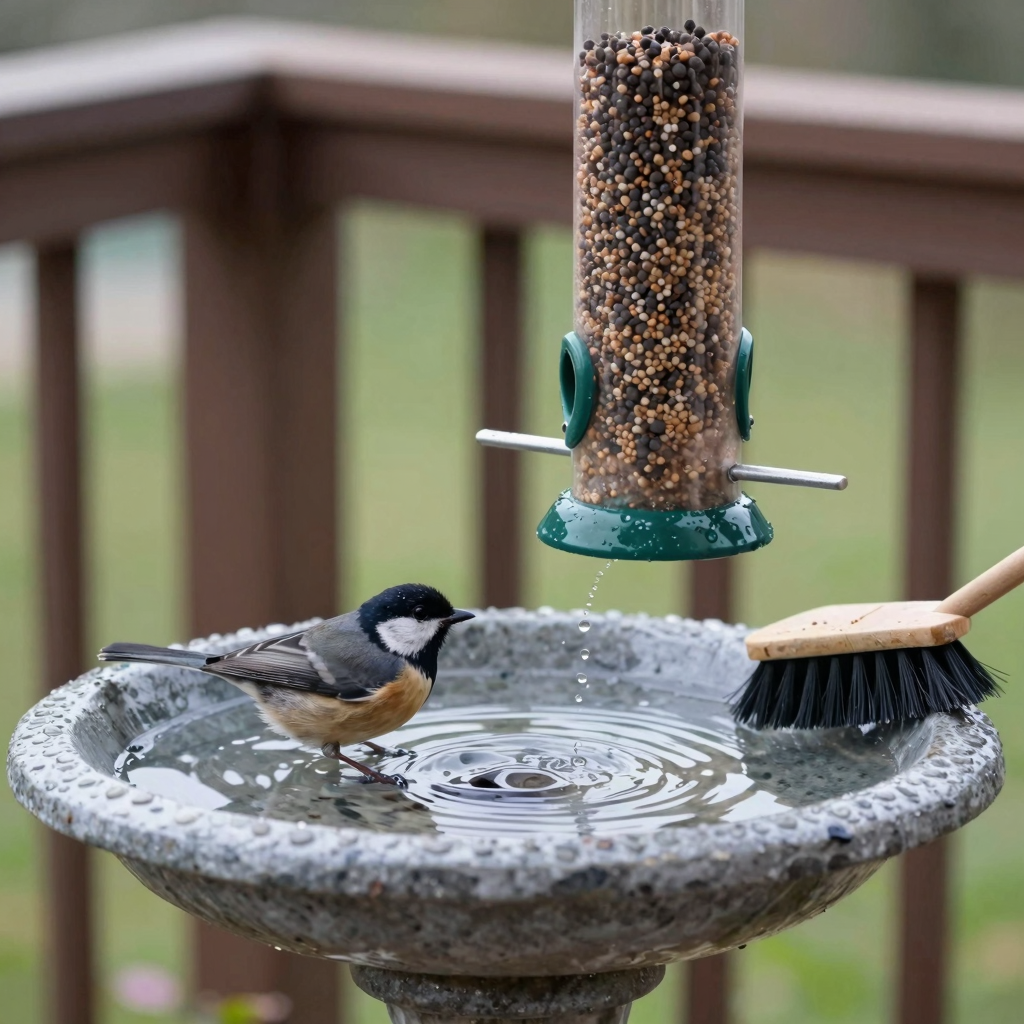
- Start with 1–2 feeders and a sunflower-first seed plan. Once birds find you, expand.
- Use separate feeders for sunflower, nyjer (thistle), and peanuts. It’s one of the easiest ways to attract more species and reduce waste.
- Choose tube feeders if you want small songbirds. They’re a strong “beginner win.”
- Make sure birds have nearby cover. Even a few potted plants can provide that safety feeling.
- Don’t overfill. Fresh seed draws birds. Sitting seed can deter them.
- Watch for repeat visitors. The birds you see most often are your best clue for what to add next.
- If you’re in an apartment, prioritize feeder placement near glass thoughtfully. Balcony-friendly mounts can help you manage safety and visibility.