
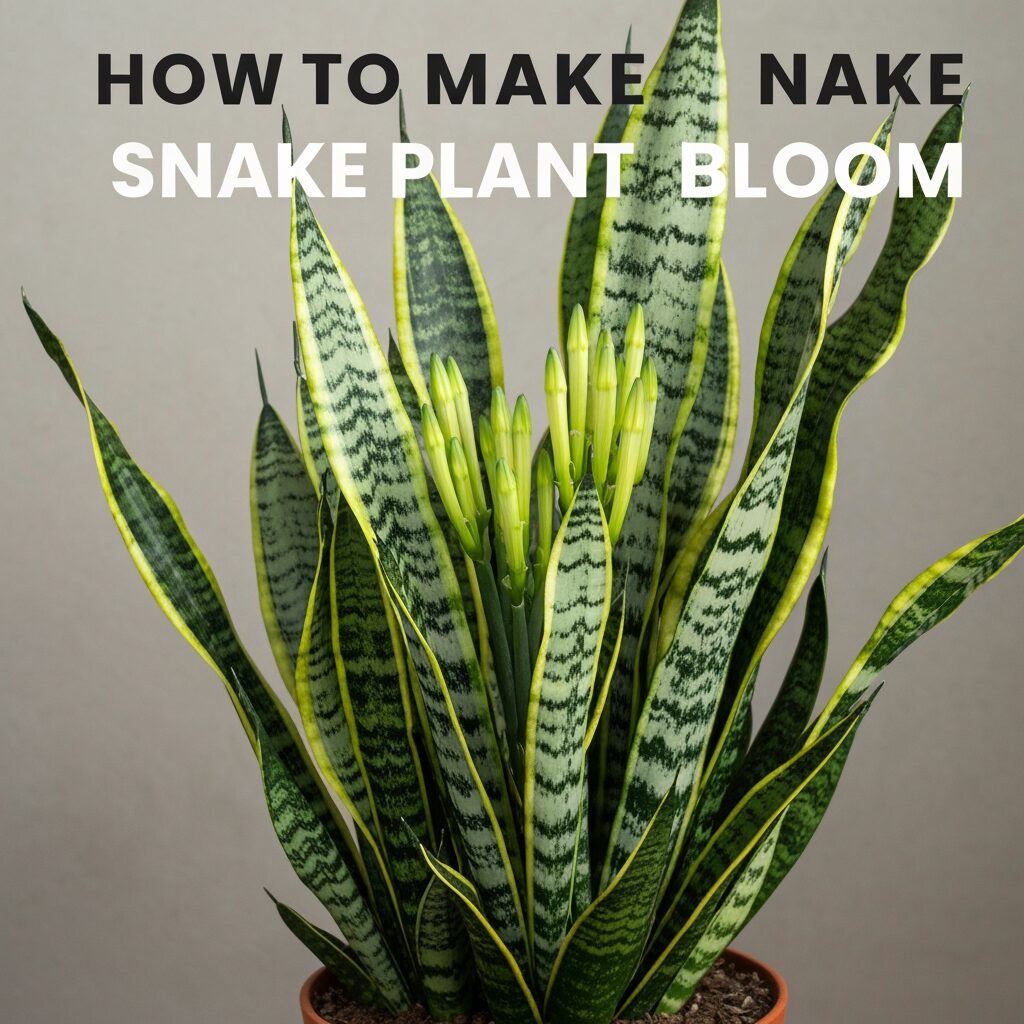

Snake plants are famous for being tough and low-maintenance. They can thrive on neglect and still look good. One thing many owners wonder is whether a snake plant will bloom indoors. The short answer is: it can, but it’s not common. Blooming usually happens on older, healthy plants and under specific conditions. If you want to increase your chances, you’ll need to tune up several parts of care at once: light, temperature, watering, soil, and even how you handle the plant’s growth in your home. This guide breaks down the steps in a simple, easy-to-follow way so you can coax a flower stalk to appear without overthinking it.
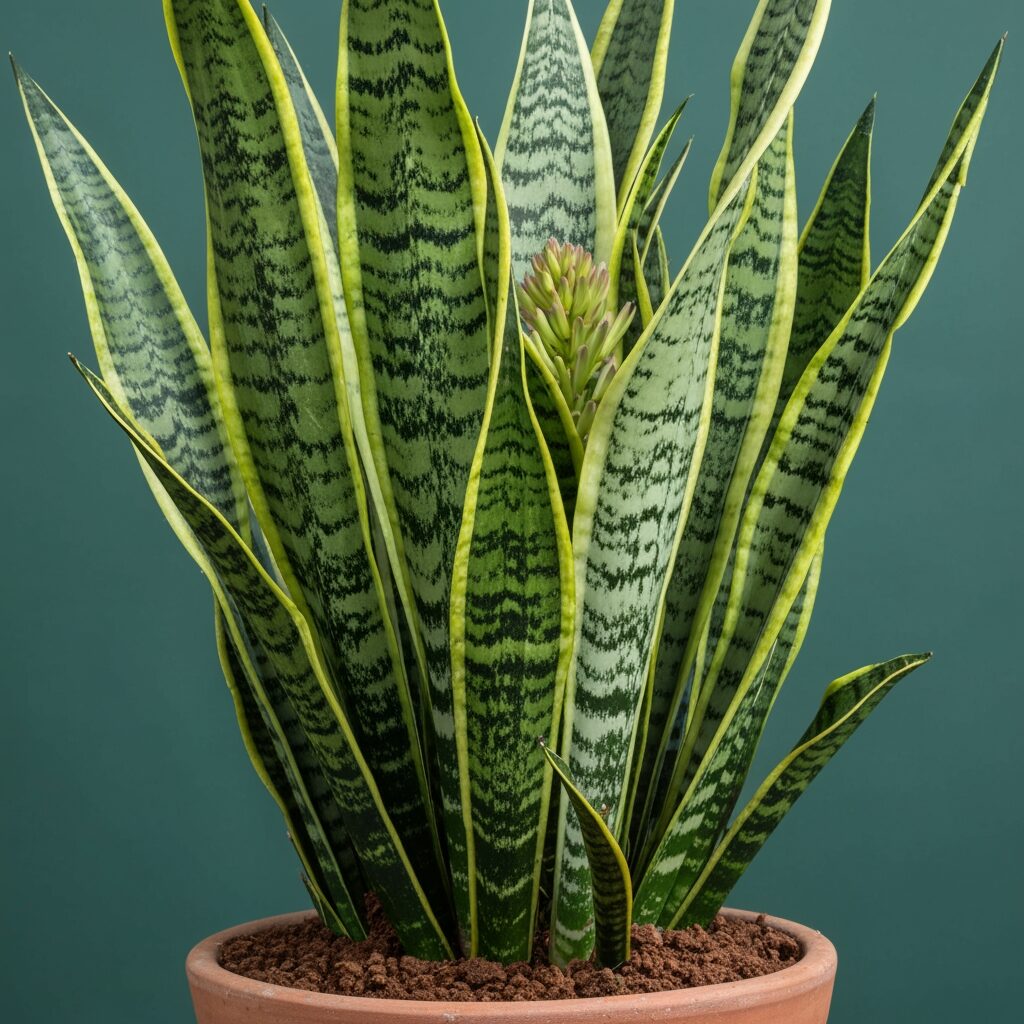
Snake plant blooms aren’t dramatic like some tropical flowers. The blossoms are pale green to creamy white, on tall stalks that rise above the leaves. The stalks can reach a surprising height and can last for weeks. Even if you don’t get blooms every year, focusing on overall plant health will keep your snake plant happy and beautiful, which is a win in itself.
Key Takeaways
- Indoor blooms from a snake plant happen, but they’re not guaranteed and usually come when the plant is older and very healthy.
- Bright, indirect light, cooler nights, and a light, well-draining soil mix help set up a blooming-friendly environment.
- Don’t overwater. Snake plants prefer to dry out between waterings; too much water can stop or delay flowering.
- Use a balanced fertilizer in the growing season, but dilute it to half strength and don’t fertilize in late fall or winter.
- Leaving the plant slightly root-bound and giving it a little seasonal quiet can encourage bloom conditions, but patience is key.
Quick Answer
Yes, a snake plant can bloom indoors, but it’s uncommon. To improve your odds, give bright indirect light, a mild drop in night temperatures, a well-draining soil mix, careful watering (let the soil dry between waterings), and light feeding in spring and summer. With age and steady care, you might see a tall flower stalk emerge from the crown.
What You Need
- A healthy snake plant (Dracaena trifasciata) with several green leaves
- A pot with drainage holes, sized one step up from the current pot
- Well-draining soil (a cactus/succulent mix works well, or a standard potting mix with added perlite or pumice)
- Balanced, water-soluble fertilizer (e.g., 10-10-10 or 20-20-20), diluted to half strength
- Watering can or bottle for controlled watering
- Pruning shears or scissors for removing spent stalks or leaves
- Optional: a stake or plant support for tall flower stalks
- A simple thermometer (optional) to monitor day-night temperature differences
Step 1: Understand the Bloom Process
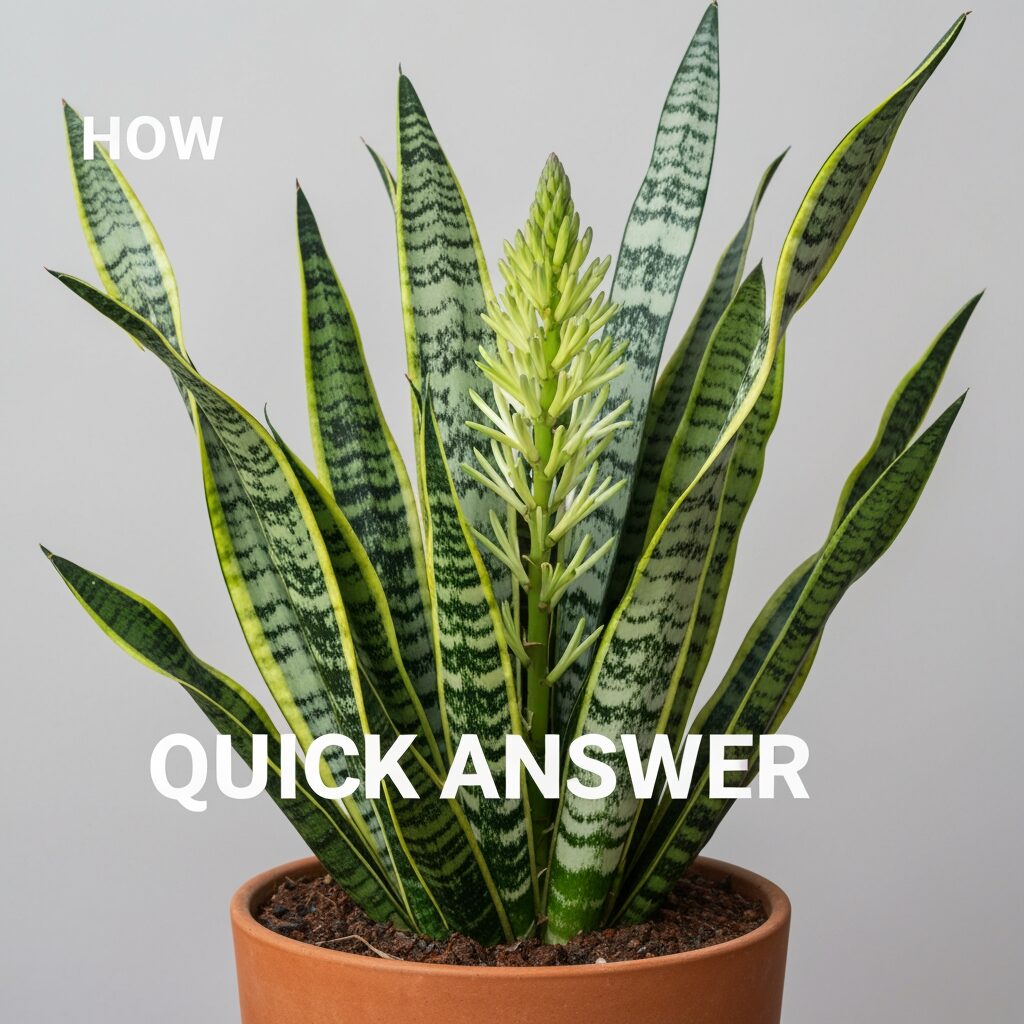
Snake plants do form flowering stalks (inflorescences) that bear small, tubular flowers. These stalks typically grow from the crown of the plant, shooting upward well above the leaves. The flowers are usually pale green to white and can be fragrant, but the smell isn’t strong. Blooms require energy from the plant, so a healthy, mature plant is more likely to bloom than a young or stressed one.
Key ideas to keep in mind:
- Blooming often happens after the plant has grown for several years and accumulated strength.
- Blooms are more common when the plant experiences a consistent, favorable environment rather than sudden shifts.
- You won’t see flowers on every plant, and that’s normal. Some years you’ll see blooms; other years you won’t.
What this means for you: aim for steady conditions over time rather than trying to force a bloom with a quick tweak. Treating your plant well day after day increases the odds of a bloom when the plant is ready.
Step 1 in practice:
- Observe your plant for a season or two. If it’s already tall, healthy, and not showing signs of stress, you’re in a good position to start fine-tuning conditions for bloom potential.
Step 2: Check Pot, Soil, and Plant Health
Healthy roots and good soil are the foundation for bloom. If the plant is root-bound or sitting in poor soil, it won’t direct energy to blooming.
What to do:
- Inspect the pot and roots. Gently remove the plant from its pot to check the root mass. If roots are circling the pot densely, or you see a tight white root mat, the plant is root-bound. This can actually help blooms occur, but if the plant is very crowded, it may need a refreshed setup.
- Choose a pot that’s not too large. A container that’s just a bit larger than the current root ball allows the plant to invest energy in growth and flowering rather than making new roots.
- Use well-draining soil. Mix should be airy and fast-draining. If you used heavy potting soil, consider a change: add perlite, pumice, or sand to improve drainage.
- Check for signs of disease or pests. Brown leaf tips, yellowing, or webbing can stress the plant and delay blooming. Treat problems early with gentle, plant-safe methods.
Why this matters: Blooming requires energy. If the plant is busy trying to grow roots or fight pests, it won’t set aside energy for flowers. A clean bill of health and good soil set the stage for blooms.
Step 2 takeaway: Healthy roots and a light, well-draining mix support bloom potential more than anything else. If you decide to repot, do it carefully to minimize stress on the plant.
Step 3: Optimize Light
Light is both comfort and a trigger for flowering. Snake plants love bright, indirect light. Too little light and growth slows; too much direct sun can scorch leaves and stress the plant.
What to aim for:
- Bright indirect light is ideal. An east- or west-facing window often works well.
- If you only have a room with dull light, consider a grow light. A simple LED grow light set on a timer for 12-14 hours a day can help provide the needed light balance.
- Avoid harsh, all-day direct sun on hot days. If leaves start to look bleached or brown at the tips, move the plant to a spot with less direct sun.
How light influences bloom:
- Consistent, but not harsh, light supports steady growth and energy build-up for potential blooms.
- A plant that receives generous light is more likely to put energy into a bloom stalk than a plant in dim corner.
Practical hints:
- Place the plant near a bright, indirect light source for most of the day.
- If using artificial light, keep it at about 12-18 inches away and run it during the day for 12-14 hours.
Step 3 in practice:
- Observe how your plant responds to its light. If you notice leggy growth (stretched stems) or pale leaves, it may need more light. If leaves darken or burn, ease back on direct exposure.
Step 4: Set Temperature and Humidity
Temperature swings and humidity levels can influence bloom timing. Snake plants tolerate a wide range of temperatures, but gentle seasonal changes help.
Targets to shoot for:
- Day temperatures: 70-85°F (21-29°C) are comfortable for most snake plants.
- Night temperatures: A modest drop to 60-65°F (16-18°C) can support bloom potential, especially if the plant has bright light.
- Humidity: Snake plants aren’t fussy about humidity, but average indoor humidity is fine. If your home is very dry, a light misting or a humidity tray can help without overly damp conditions.
What to avoid:
- Sudden temperature drops or cold drafts can shock the plant and reduce bloom chances.
- Extremely hot, dry conditions in a window sill during the day can stress the plant.
Why this matters:
- A slight night cooling paired with bright light signals a healthy plant at rest-and-growth cycles, which can help trigger flowering in some snake plant varieties.
Step 4 in practice:
- Keep the plant away from drafty windows in winter.
- If you’re using air conditioning or heating, ensure the plant isn’t directly in the airflow, which can dry the leaves and stress the plant.
Step 5: Watering and Nutrients
Water and nutrients are the fuel for blooms. The snake plant is drought-tolerant and does not need frequent watering. The general rule is to let the top inch or two of soil dry out before watering again.
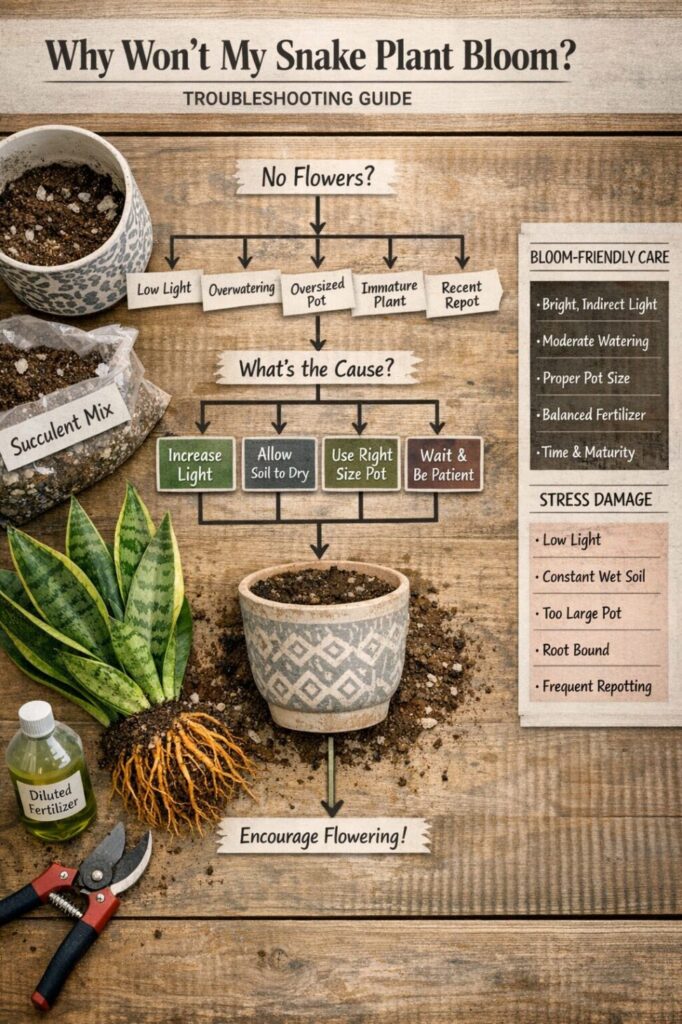
Watering guidelines:
- In spring and summer, water moderately when the top inch of soil is dry.
- In fall and winter, cut back on watering. You may water every 2-3 weeks, depending on your room’s humidity and temperature.
- Always ensure good drainage. Do not let the plant sit in water for long periods—root rot will slow or stop blooming.
Nutrient plan:
- Fertilize only during the growing season (spring and summer).
- Use a balanced fertilizer at half strength every 4-6 weeks.
- Do not fertilize in late fall or winter, when the plant’s growth slows.
- If you notice salt buildup on the soil surface or around the pot, flush the soil with clean water occasionally to prevent fertilizer burn.
What to watch for:
- Yellowing leaves can indicate overwatering, which should be addressed before bloom is likely.
- Very slow growth during spring and summer can signal a need for fresh soil or more light, not necessarily fertilizer alone.
Step 5 in practice:
- Schedule a light feeding in April or May and then again in June or July if the plant shows healthy growth. Pause feeding in August or September as growth slows.
Step 6: Encourage the Bloom
Now for the part that many readers want to know: can you push a bloom to appear sooner? The honest answer is that you can’t easily force a bloom in a healthy plant, but you can create conditions that are bloom-friendly and then be patient.
Bloom-friendly practices:
- Keep the plant on a gentle schedule: steady light, steady temperatures, and regular but measured watering.
- Allow a slight winter rest. If your home is warm all year, you can simulate a cool night period for a few weeks in late fall by lowering temperatures a bit and reducing watering. Then resume standard care in spring.
- Maintain leaf health by removing any dead leaves and keeping the plant clean; a clean plant uses energy more efficiently toward growth and potential flowering.
- Do not over-prune or over-harvest. Snipping a few spent leaves is okay, but heavy pruning can stress the plant.
- If a bloom stalk appears, support it gently. Do not yank it away or be too rough; letting it grow and mature can be part of the healing energy distribution in the plant.
What you may see during bloom:
- A tall stalk rising above the foliage, sometimes several feet tall.
- Clusters of tubular flowers along the stalk, often greenish-white.
- The bloom can last weeks; after it finishes, the stalk will dry and fade, and you can trim it away.
Step 6 in practice:
- If you notice

Samuel Michael
I've have been involved in Backyard Farm for over 15 years, especially livestock and market gardening. I blog at my free Time and ive My most helpful thoughts on this blog.

