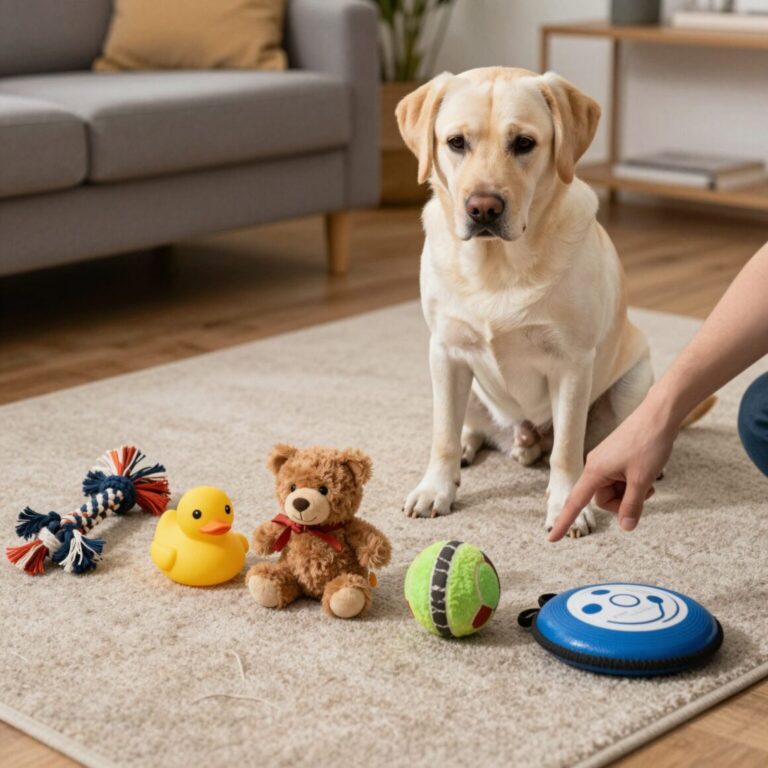


Teaching your dog easy tricks is one of the most rewarding things you can do together. It builds trust, strengthens your bond, and gives your pup a sense of purpose.
Dogs are natural learners, and they thrive when they have something to work toward. Whether you have a brand-new puppy or an older dog, trick training keeps their mind sharp and their tail wagging. The best part? You do not need fancy equipment or professional training experience to get started. All you need is some patience, a bag of tasty treats, and a few minutes each day. These tricks also help reduce boredom, prevent destructive behavior, and make your dog a joy to be around. Let’s dive into 16 easy tricks that any dog can learn with a little practice and a lot of love.
Quick Answer
The easiest tricks to teach your dog include sit, stay, shake hands, lie down, roll over, and come. Start with simple one-word commands, use positive reinforcement like treats and praise, and keep training sessions short — around five to ten minutes. Consistency and patience are the keys to success.
Key Takeaways
- Short, frequent training sessions work better than long ones
- Always use positive reinforcement — treats, praise, and play
- Start with simple tricks before moving to complex ones
- Use a clear, consistent one-word command for each trick
- End every session on a positive note so your dog stays motivated
1. Sit

Sit is the foundation of almost every other trick, so start here. Hold a treat close to your dog’s nose and slowly move your hand up. As their head follows the treat, their bottom will naturally lower to the ground. The moment they sit, say “sit” clearly, give them the treat, and offer plenty of praise. Repeat this five to ten times per session. Within a few days, most dogs pick this up quickly. Once your dog sits on command without needing the treat in your hand, you know they have really got it.
2. Stay

Stay teaches your dog self-control, which is incredibly useful in everyday life. Ask your dog to sit first. Then open your palm toward them and say “stay.” Take one step back. If they stay put, return and reward them immediately. Gradually increase the distance and the amount of time they hold the position. If they break early, simply start over without scolding. Patience is everything with this one. Over time, your dog will stay calmly even when distractions are nearby.
3. Come

Come, or recall, is one of the most important safety commands you can teach. Crouch down to your dog’s level and say “come” in a happy, excited voice. You can also gently tug on a leash if you are practicing in an open area. When they reach you, make it the best moment of their day — give treats, pets, and celebrate like they just won a gold medal. Never call your dog to you and then scold them. That teaches them that coming to you is a bad thing.
4. Lie Down

Lie down builds on the sit command. Ask your dog to sit, then hold a treat in your closed fist near their nose. Slowly move your hand down to the floor. As they follow the treat, their elbows will touch the ground. Once they are fully down, say “down,” reward them, and cheer them on. This trick can take a little longer than sit, but stick with it. A dog who knows “down” on command is much easier to manage in public settings.
5. Shake Hands

This one is a crowd-pleaser. Ask your dog to sit, then hold a treat in your closed hand at their paw level. Most dogs will naturally paw at your hand trying to get the treat. The moment their paw touches your hand, open it, say “shake,” and let them have the treat. With enough repetition, they will learn to lift their paw as soon as you extend your hand. It is one of those tricks that makes guests instantly fall in love with your dog.
6. Roll Over

Roll over is a fun trick that looks impressive but is not as hard as it seems. Start with your dog lying down. Hold a treat near their nose and slowly move it toward their shoulder, encouraging them to roll onto their side. Continue moving the treat so they roll all the way over. Say “roll over” as they complete the motion, then reward immediately. Break this into small steps if needed — first reward rolling to the side, then all the way over. Take it slow and keep the mood light.
7. Speak

Teaching your dog to speak on command can actually help with excessive barking — because you can also teach them to stop. Wait for your dog to naturally bark, then immediately say “speak” and give a treat. Over time, they will connect the command with the action. Once they understand “speak,” you can introduce “quiet” by waiting for silence before rewarding. This trick gives you real control over one of a dog’s most natural behaviors.
8. Leave It

Leave it is a life-saving trick. Place a treat on the floor and cover it with your hand. When your dog paws or sniffs at your hand, wait. The moment they back off even slightly, say “leave it” and reward them with a different treat from your other hand. This teaches them that leaving something alone leads to something even better. Over time, you can practice with food on the floor or objects on walks. It can prevent your dog from eating something dangerous.
9. Spin
Spin is a fun, energetic trick that dogs seem to enjoy. Hold a treat at your dog’s nose level and slowly guide them in a circle. As they complete the full rotation, say “spin” and reward. Once they get it, try doing the motion with just your finger instead of a treat. You can even teach them to spin in both directions by using different command words like “spin” and “twist.” It is a great confidence booster for shy or anxious dogs.
10. High Five

High five is basically shake hands with some extra flair. Once your dog knows how to shake, raise your hand a little higher and open your palm flat. Encourage them to tap your hand at a higher level. When they do, say “high five” and reward. Most dogs who know how to shake pick this up within a few sessions. It is one of those tricks that gets huge reactions from people and is just plain fun to show off.
11. Touch
Touch means your dog bumps their nose to your hand on command. Hold your flat palm out in front of them and wait. Most dogs will naturally sniff or bump your hand out of curiosity. The moment their nose touches your palm, say “touch” and give a treat. This trick is helpful for guiding your dog into position or keeping their focus during distracting situations. It is also a great base skill for more advanced agility training later.
12. Wait
Wait is similar to stay but less formal. It simply means “pause before you act.” You can use it before opening a door, putting down a food bowl, or crossing a street. Ask your dog to sit or stand still, hold up your hand, and say “wait.” Pause for a moment, then release them with a word like “okay” or “free.” This trick adds a layer of safety to your daily routine and helps prevent your dog from bolting out of doors.
13. Fetch
Fetch seems obvious, but many dogs actually need to be taught it step by step. Start by encouraging your dog to pick up a toy. Reward them just for picking it up at first. Then toss the toy a short distance and reward them for chasing it. Next, teach them to bring it back by calling them to you excitedly. The final step is teaching them to drop it in exchange for a treat. Build each step before moving to the next one.
14. Place or Go to Your Spot
This trick teaches your dog to go to a specific spot — a mat, bed, or blanket — and stay there until released. Toss a treat onto the mat to get them started. When all four paws are on the mat, say “place” and reward. Gradually add duration by waiting longer before rewarding. This is incredibly useful when you have guests, are cooking dinner, or just need a few minutes of calm. A dog who knows “place” is one of the easiest dogs to live with.
15. Crawl
Crawl is a fun advanced trick that builds on the lie down command. Ask your dog to lie down. Hold a treat just in front of their nose close to the ground and slowly move it forward. If they try to stand up, lower the treat even more. The moment they move even slightly forward while staying low, reward them. Say “crawl” as they do it. It takes patience, but watching a dog army-crawl across the floor is absolutely adorable and worth every bit of effort.
16. Back Up
Back up teaches your dog to walk backward away from you. Walk slowly toward your dog with confidence until they naturally take a step back. The second they do, say “back” and reward. You can also practice this in a hallway so the walls guide their movement. This trick improves body awareness and is surprisingly useful — for example, getting your dog out of tight spaces or teaching them not to crowd you at doorways.
Common Mistakes
One of the biggest mistakes people make is making training sessions too long. Dogs lose focus quickly, so five to ten minutes is plenty. Another mistake is repeating a command over and over when the dog is not responding — this teaches them to ignore it. Always say the command once, wait, and guide them if needed. Avoid punishing your dog for getting it wrong. Negative reactions make them anxious and slow down learning. Finally, do not skip the celebrations. Genuine excitement and praise from you means just as much to your dog as the treat itself.
FAQ
How long does it take to teach a dog a trick? Simple tricks like sit or shake can be learned in just a few days with consistent practice. More complex tricks may take a few weeks.
What treats work best for training? Small, soft treats work best because dogs can eat them quickly without losing focus. You can also use small pieces of chicken or cheese.
Can older dogs learn new tricks? Absolutely. The saying “you can’t teach an old dog new tricks” is a myth. Older dogs can learn just as well — they may just need a bit more patience.
How many tricks should I teach at once? Stick to one or two tricks at a time. Once your dog masters them, add new ones. Too many at once creates confusion.
What if my dog is not motivated by treats? Try using their favorite toy as a reward, or use playtime and verbal praise. Every dog has something they find rewarding — find what works for yours.
Conclusion
Teaching your dog tricks is not just about impressing people at the dog park. It is about communication, connection, and giving your dog a happy, engaged life. These 16 easy tricks give you a solid roadmap to work through, no matter where your dog is starting from. Take it one trick at a time, keep the energy positive, and celebrate every small win. Your dog wants nothing more than to make you proud — and with a little consistency, they absolutely will.

Samuel Michael
I've have been involved in Backyard Farm for over 15 years, especially livestock and market gardening. I blog at my free Time and ive My most helpful thoughts on this blog.