
Obedience training isn’t about “control”—it’s about building trust that lasts for years. When you teach your dog the right skills, everyday life gets calmer, safer, and way more fun. These lessons help you create clear communication, reduce frustrating behavior, and build confidence in both of you. You’ll learn what to practice, how to practice it, and how to adjust for your dog’s age, energy, and personality. Whether you’re starting with a puppy or re-training an older dog, you’ll find simple, real-world steps you can use right away. If you’re ready to turn chaos into calm, let’s start with the basics that work.
Quick Answer
Here are 21 obedience training lessons you can teach your dog, starting with foundational cues (like sit and stay) and moving toward real-life skills (like polite greetings, leash walking, and recall). The key is short sessions, consistent cues, and rewarding effort—always with patience and positive reinforcement.
Key Takeaways
- Start with foundational cues: sit, down, stay, come, and leash manners.
- Practice in short sessions (3–10 minutes), several times a day.
- Use clear words + hand signals, and reward the behavior you want right away.
- Train in easy-to-hard steps: quiet room → hallway → outside → real distractions.
- Obedience is more than tricks—it’s about safe choices your dog can make anywhere.
1. Choose Your Training Plan (and Stick to It)
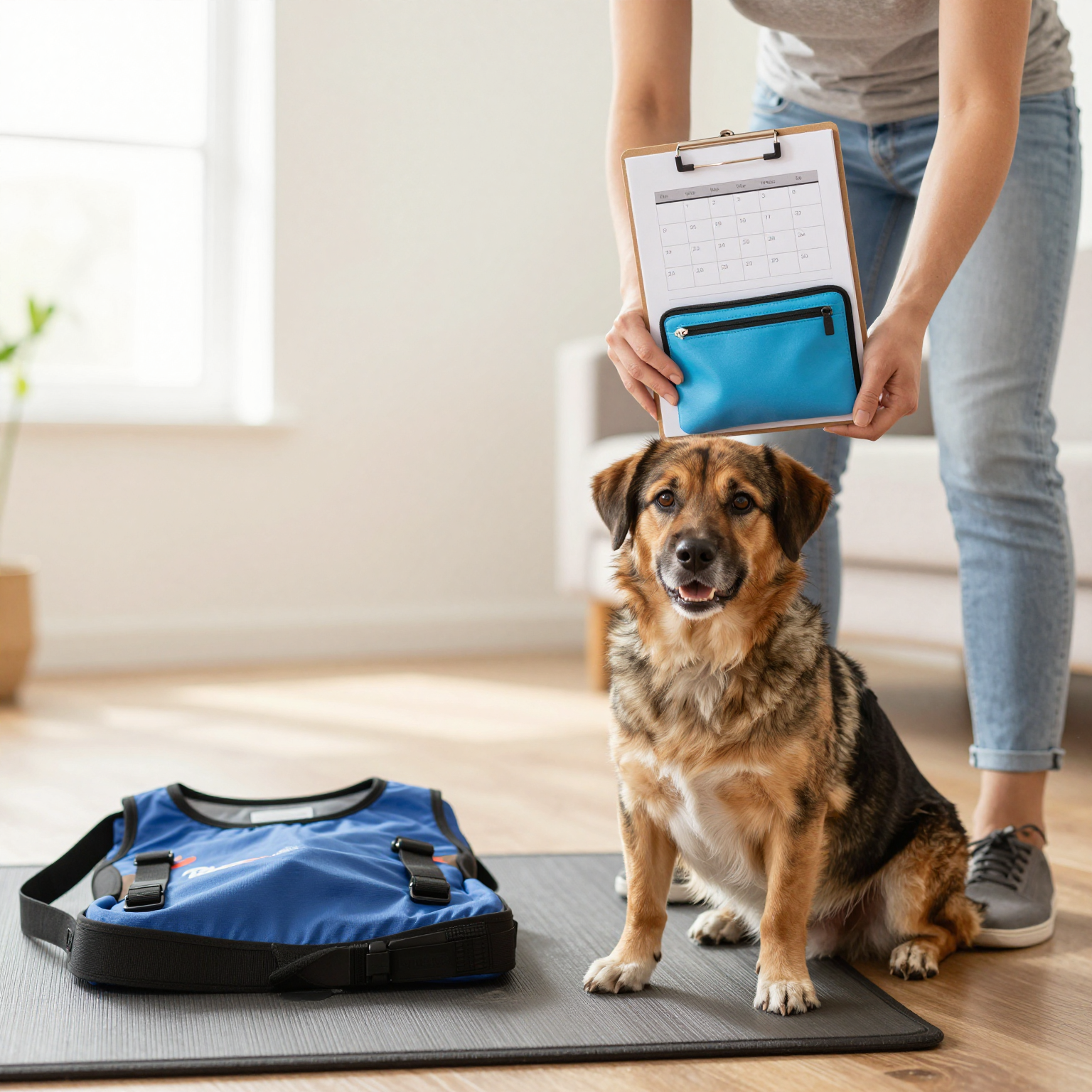
Before you teach anything, set your “rules.” I like to decide: what cues I’ll use, what treats I’ll reward with, and what behaviors I will not accidentally reinforce. If you’re inconsistent, your dog gets confused, and training feels harder.
Pick 2–4 cues to focus on first (like sit, down, come, and leave it). Keep the plan simple and repeat it for a week. If you have multiple people in your home, make sure you all use the same words and hand signals.
2. Teach “Name Game” (Get Attention on Cue)
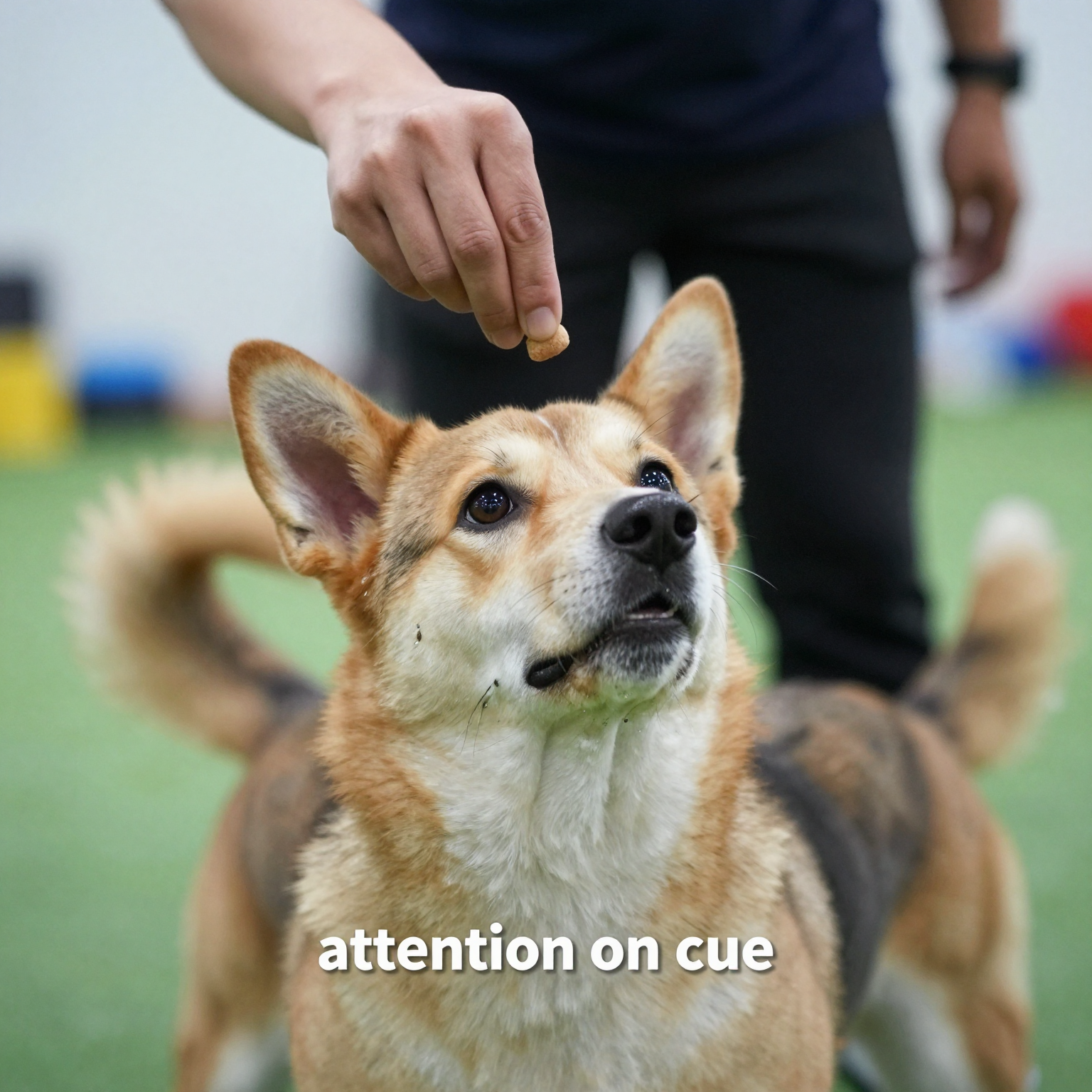
Your dog needs to learn that looking at you is valuable. I call this the “name game.” Start when it’s quiet: say your dog’s name once, then reward the moment they look at you. After a few reps, add a second step: reward for turning toward you, even if they don’t fully “make eye contact.”
Once your dog understands, try adding a tiny delay (“name… wait a half-second… reward if they check in”). This is the base for everything that comes later, especially recall.
3. Master “Sit” (Easy Win, Huge Value)

“Sit” is a go-to behavior that helps with manners and safety. I teach it by luring with a treat close to your dog’s nose, moving it up and slightly back. When your dog’s bottom touches the floor, you mark and reward.
Then I fade the lure: I show the hand signal less and less, and I reward faster. Practice “sit” at doors, before meals, and when you need calm energy.
4. Add “Down” (For Calm and Impulse Control)
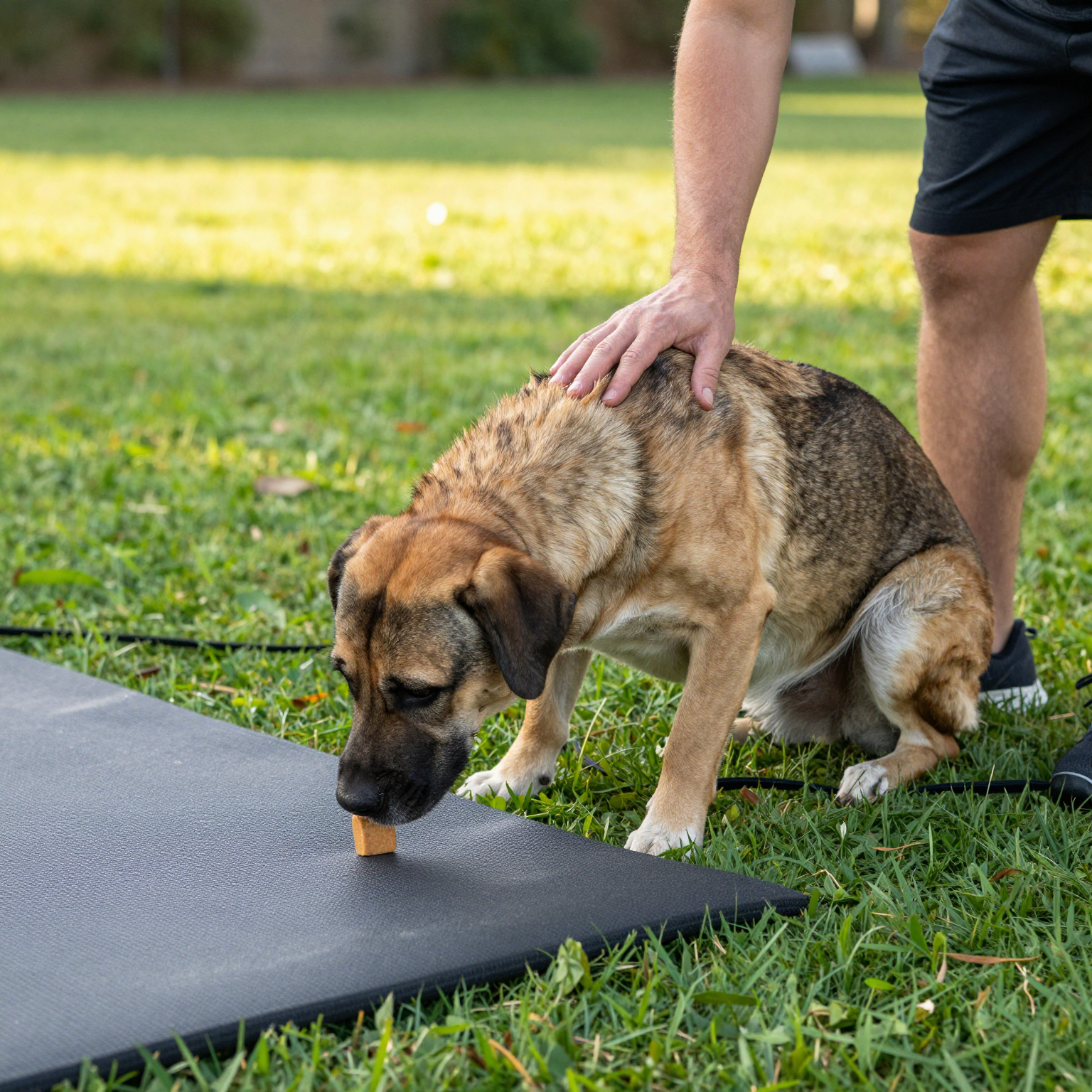
“Down” helps your dog settle instead of jumping around. I start like sit—lure forward and down—but make sure the treat goes to the floor. When your dog lies down, reward immediately.
Once down is consistent, practice it with a calm cue: say “down,” wait one second, then reward. If your dog pops back up quickly, shorten the time to reward and build gradually.
5. Train “Stay” (Small Steps, Big Results)
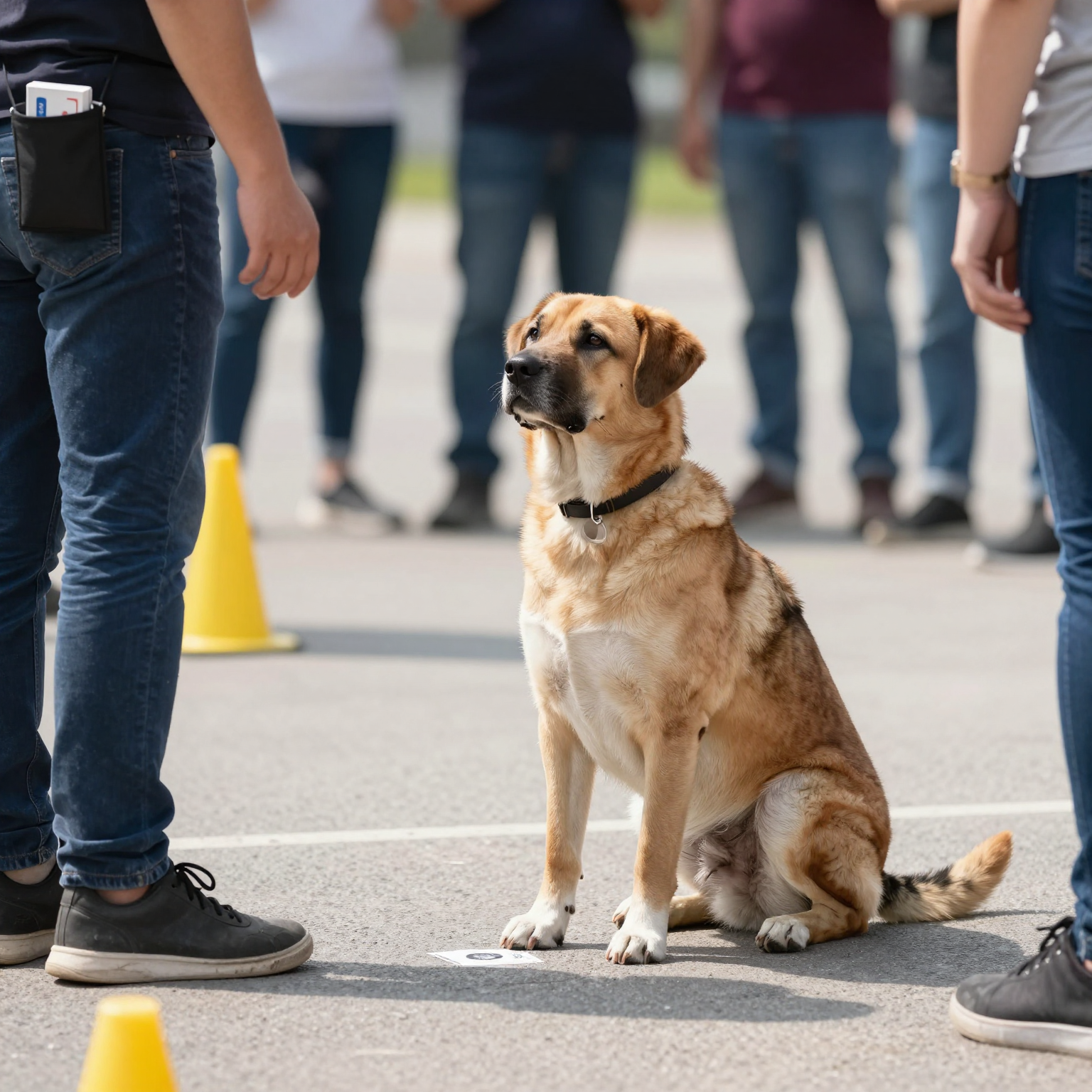
Stay is hard because it asks for self-control. I teach it in tiny pieces. Start with your dog sitting or lying down. Say “stay,” take one step back, then return and reward. Increase distance slowly: two steps, then three, then a few seconds.
Always reward success. If your dog breaks the stay, don’t punish—reset and make the next attempt easier. A successful stay early on builds trust.
6. Teach “Come” (Recall That Works in Real Life)

Recall isn’t just “come” when there are no distractions. I teach it with joy. Start indoors or in a fenced area. Say “come” and sprint backward or clap, then reward like crazy when your dog reaches you.
Never call your dog for something unpleasant (like baths or taking away toys). If you do, your dog learns to avoid coming.
7. Practice “Heel” or “Loose-Leash Walking”
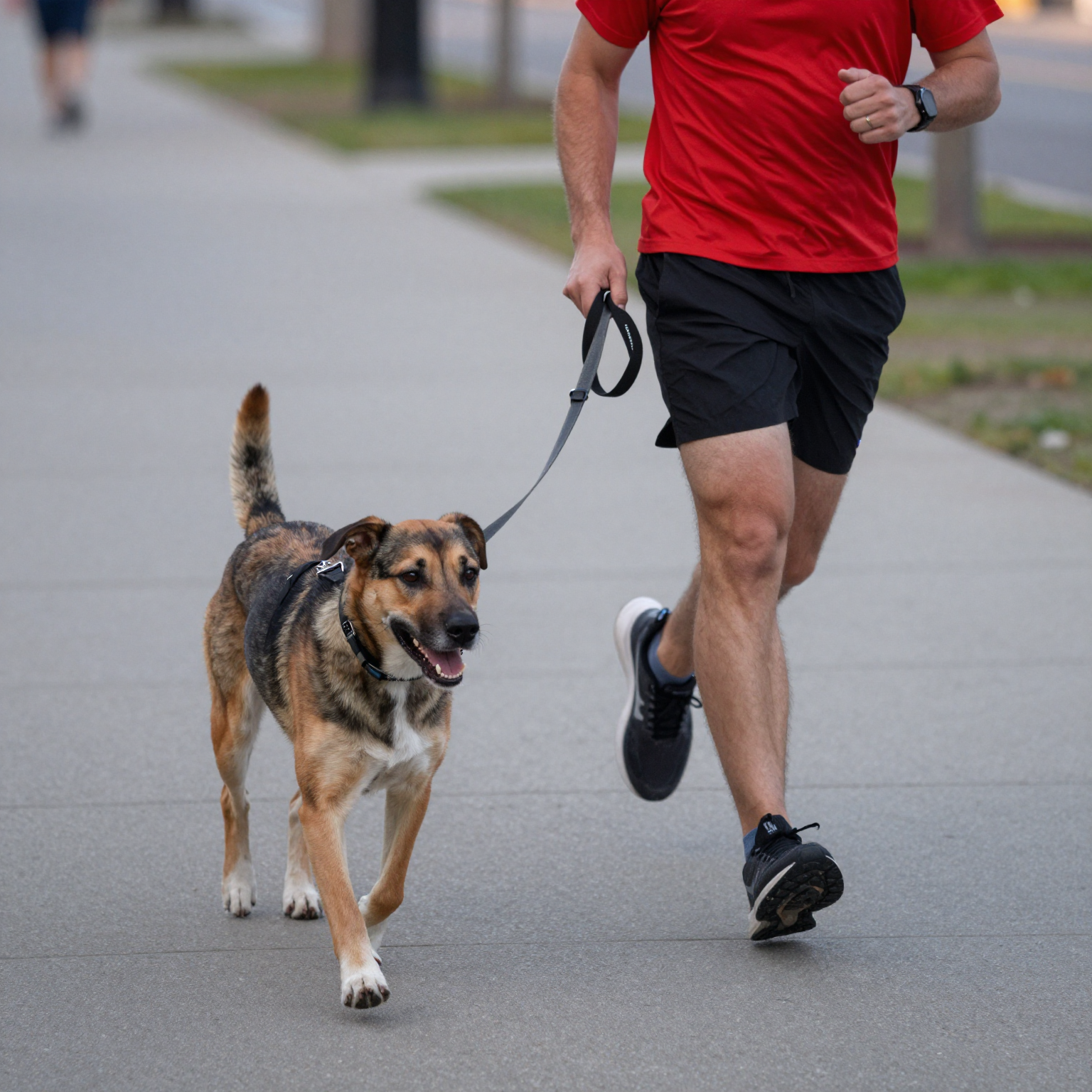
Loose-leash walking is where obedience becomes everyday freedom. I train “heel” or “walking with you” by rewarding when your dog walks near me without pulling. If your dog pulls, I stop or calmly change direction—so pulling doesn’t move you forward.
Use the “reward zone”: your dog gets treats when they’re at your side or close enough that you can keep walking. Short sessions in a quiet area help a lot.
8. Teach “Wait at the Door” (Safety Training)
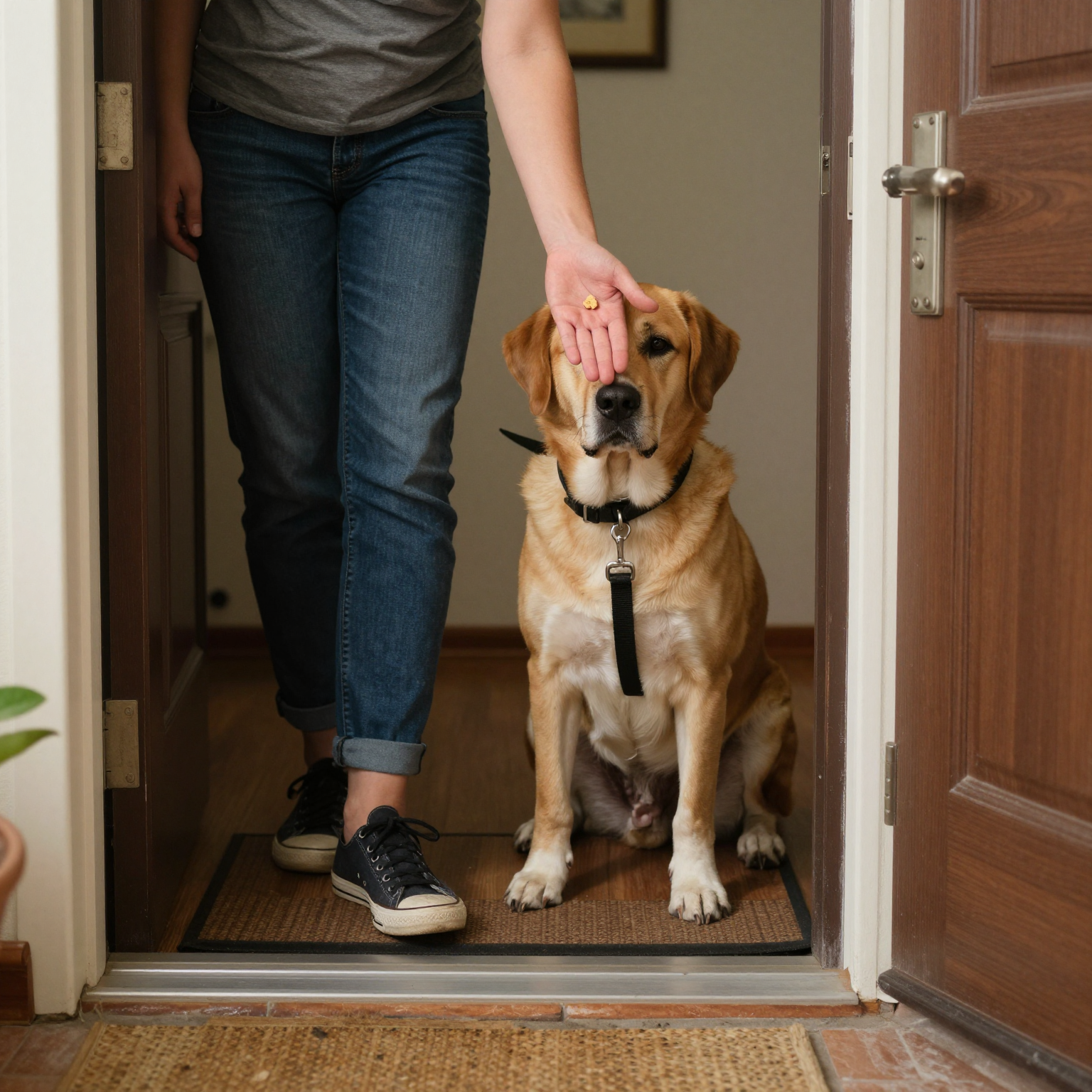
Door manners prevent bolt-offs and reduce fear. I train “wait” by opening the door slightly, letting my dog notice, then rewarding calm behavior. If they surge forward, I close it and try again.
When your dog can wait briefly, increase the challenge: open wider, step farther away, and eventually exit the house while they stay. Always reward restraint.
9. Build “Leave It” (Stop the Chase Instantly)
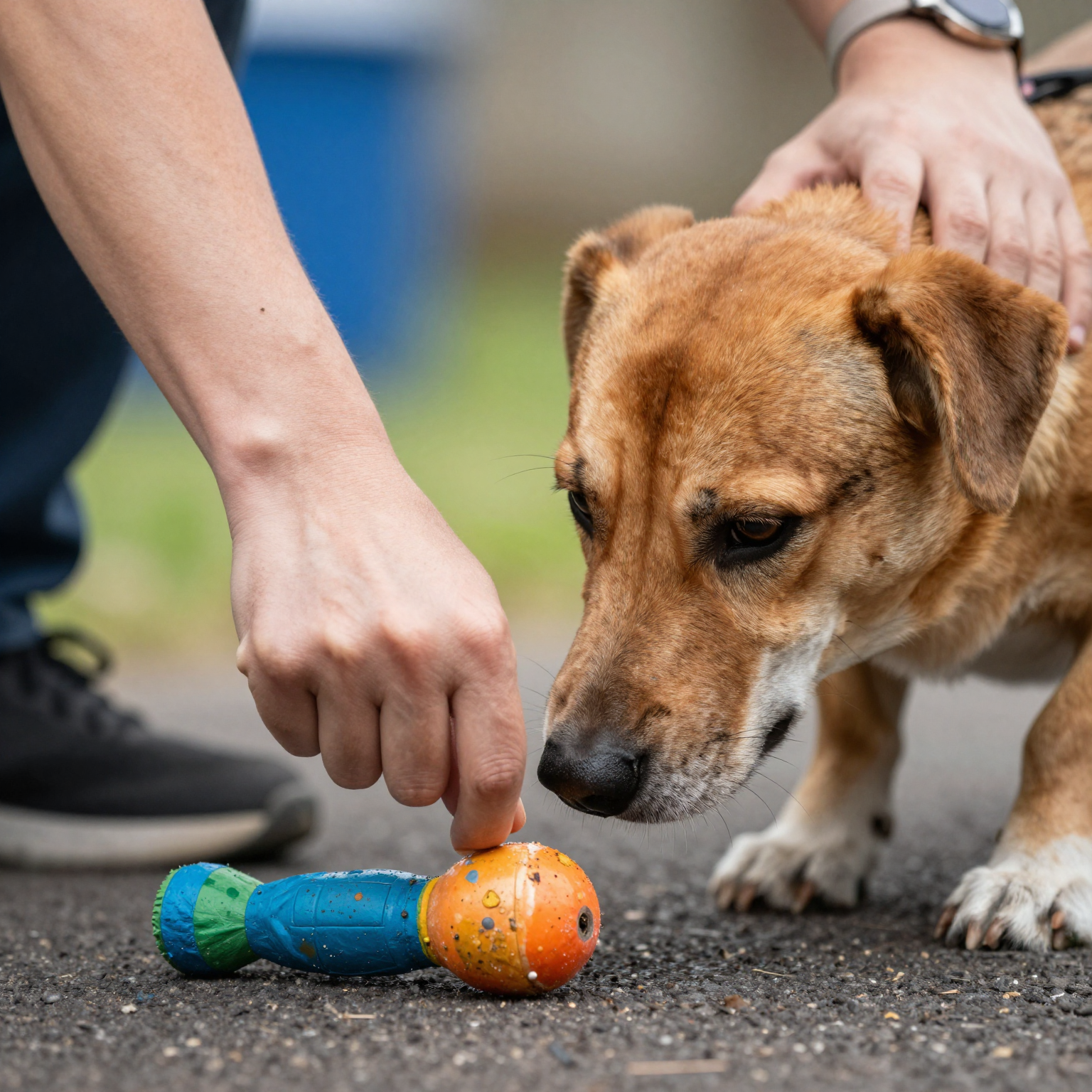
“Leave it” can save your dog from picking up dangerous items. I teach it with a treat in my closed hand. Let your dog investigate, then reward only when they stop trying to get the treat (even for a split second).
Then I progress to open-hand lures, and later to “leave it” with items on the ground. Reward calm focus, not frantic grabbing.
10. Add “Drop It” (Trade Control for Cooperation)

This lesson helps during play and prevents resource guarding. I teach it by offering a higher-value reward when your dog has an item in their mouth. Say “drop it,” then show the reward and wait for the item to leave their mouth. Mark and reward the moment they release.
Keep sessions short and successful. If your dog won’t release, reduce difficulty and try again with easier items.
11. Teach “Quiet” or “Speak”/“Silence” (Manage Barking)
Not all dogs bark the same way, so I train for your dog’s pattern. “Quiet” works best when you catch barking that’s already happening. I mark calm or silence and reward quickly.
If you want more structure, “speak” can help: ask for a controlled bark, then train “quiet.” The goal isn’t “no sound forever”—it’s “you can choose calm.”
12. Train “Go to Mat” (A Place to Relax)
A mat teaches your dog where to settle when the home feels busy. I place a mat near me, lure onto it, and reward instantly. Then I add the cue “place.”
Over time, I ask your dog to stay on the mat for longer periods and practice around normal life noises—kitchen sounds, door openings, or light foot traffic.
13. Practice “Check In” During Distractions
Distractions are real. I train “check in” as an upgrade to name game. In a slightly busier setting (a yard or quiet street), I watch for the moment my dog glances back at me. Mark it and reward.
This teaches your dog that you’re the “safe option” when the world gets exciting.
14. Build “Impulse Control” Games (Better Choices)
Impulse control lessons include waiting for meals, pausing before opening doors, and practicing “take it” versus “leave it.” I also love games like “touch” (nose to hand) and “wait” before treats drop.
These games help your dog learn to slow down. The payoff is huge: fewer lunges, fewer sudden grabs, and more calm energy.
15. Train “Nose Target” (Easy Skill, Great Communication)
Nose targeting is simple and powerful. I present an open hand and reward when my dog touches their nose to it. Then I move my hand slightly to guide movement.
This becomes a tool for walking, moving out of doorways, or redirecting your dog from unwanted behavior without using force.
16. Teach “Gentle” for Food and Toys (Prevent Snapping)
If your dog grabs too hard, teach “gentle” by rewarding softer mouth contact. I use a slow, calm approach: reward for taking the treat gently, then for holding still while food is handled.
For toys, I reward controlled play and quick releases when asked. This can reduce frustration and improve trust with you and guests.
17. Handle Basic Grooming Cues (Cooperation With Care)
Obedience includes cooperation during grooming. I pair cues like “brush” or “stay still” with rewards while you touch paws, ears, and coat.
Start tiny: one brush stroke, one reward. Then build up. If your dog is fearful, go slower and focus on comfortable steps.
18. Teach “Accept Handling” (Paws, Collar, and Back End)
This lesson is safety and comfort. I practice touching paws, lifting a paw for a moment, and rewarding calm. I also train collar handling so nail trims and vet visits are easier.
If your dog tenses, don’t push. Adjust your starting point until your dog can handle it without stress.
19. Train “Proofing” (Do the Same Cue in Different Places)
Proofing is what makes obedience last. I take each cue to new environments: a living room, hallway, yard, then sidewalk, then busier places. Same cue, same reward plan, different level of distraction.
If your dog struggles, the environment is too hard. Go back one step and rebuild success. Proofing turns training into real skill.
20. Use “Marking” With Timing (Reward the Exact Moment)
Timing is the secret sauce. I use a marker word (like “yes”) or a clicker to tell my dog the exact moment they did the right thing. Then I deliver the reward quickly.
Good timing helps your dog understand faster and reduces frustration. If you’re late with rewards, your dog may learn the wrong behavior.
21. Create a Weekly Obedience Routine (So It Sticks)
Training works best when it’s consistent, not occasional. I like a simple weekly plan: a few minutes of sit/down/stay practice daily, plus one “focus session” a few times a week on a new challenge (like leash walking near distractions).
Also plan maintenance: review old cues monthly so they don’t fade. Your dog will feel secure because the rules don’t change.
Common Mistakes
- Training too long: If your dog gets bored or frustrated, stop early and try later.
- Changing cues mid-way: If “sit” becomes “sitty” or hand signals change, your dog learns confusion.
- Using punishment instead of guidance: Positive reinforcement teaches faster and builds trust.
- Calling “come” for something bad: Make recall a “good thing” every time.
- Skipping steps in proofing: If you jump from home to the dog park, you’re setting your dog up to fail.
- Rewarding the wrong behavior by accident: For example, if you reward jumping with attention, it will keep happening.
- Expecting perfection: Dogs learn at different speeds. Aim for progress, not instant results.
FAQ
How long should obedience training sessions be?
I usually keep sessions between 3 and 10 minutes, especially for beginners. Short, frequent practice is more effective than one long session.
What if my dog won’t listen outside?
Start closer to home with fewer distractions. Use higher-value treats, keep sessions shorter, and reward quick check-ins. As your dog improves, gradually increase difficulty.
My dog gets excited—what should I do?
Slow down and lower expectations for a moment. Practice calming cues like sit, down, wait, and mat. Reward the calm behavior you want to see.
Should I use a clicker or marker word?
Either works. A clicker is great for accuracy, and a marker word like “yes” works well too. The most important thing is consistent timing.
How do I stop pulling on the leash?
Reward loose walking consistently and avoid pulling “strength games.” If your dog pulls, you stop or turn so pulling doesn’t get them where they want to go. Then reward when the leash is loose.
What if my dog is older or has bad habits?
You can still train. I recommend starting with the simplest version of each cue, using clear rewards, and being patient. Older dogs may learn more slowly at first, but they often catch on quickly once they understand the plan.
Conclusion
Obedience training is how you and your dog become a team—calm in the house, safe on walks, and confident in new situations. By working through these 21 obedience training lessons, you’ll build foundational skills like sit, stay, and come, then expand into real-life manners like loose-leash walking, door waiting, and impulse control.
My best advice: keep sessions short, reward fast, and progress one step at a time. If you do that, your dog will start offering the behaviors you want—because they feel safe, understood, and excited to learn with you.

Samuel Michael
I've have been involved in Backyard Farm for over 15 years, especially livestock and market gardening. I blog at my free Time and ive My most helpful thoughts on this blog.