

If you want a garden that looks great without constant fuss, you’re in the right place. Here are 12 reliable, low maintenance perennials that come back year after year, handle normal garden conditions, and usually need only simple care—like watering when it’s hot, and cutting back when the season changes.
Key Takeaways
- Choose perennials that are naturally hardy and adaptable to your local climate.
- Most low maintenance perennials still benefit from basic habits: mulch, proper spacing, and occasional weeding.
- “Low maintenance” doesn’t mean “no maintenance”—you’ll usually do the same small tasks each season.
- Deadheading, dividing, and pruning are optional for many of these plants, and even when you do them, it’s not often.
Introduction
I love a garden that feels welcoming and alive, but I don’t love spending every weekend dealing with finicky plants. If you’re the same way, you’ll be happy to know that plenty of perennials are tough, forgiving, and pretty. Once they’re established, they can do most of the work for you.
In this listicle, I’ll share 12 low maintenance perennials you can grow with confidence. I’ll also explain what each one looks like, why it’s easy, and what you should do (and not do). If you’re planning a sunny border, a backyard pollinator patch, or just something that looks good without drama, you’ll find options here.
1. Daylily (Hemerocallis)
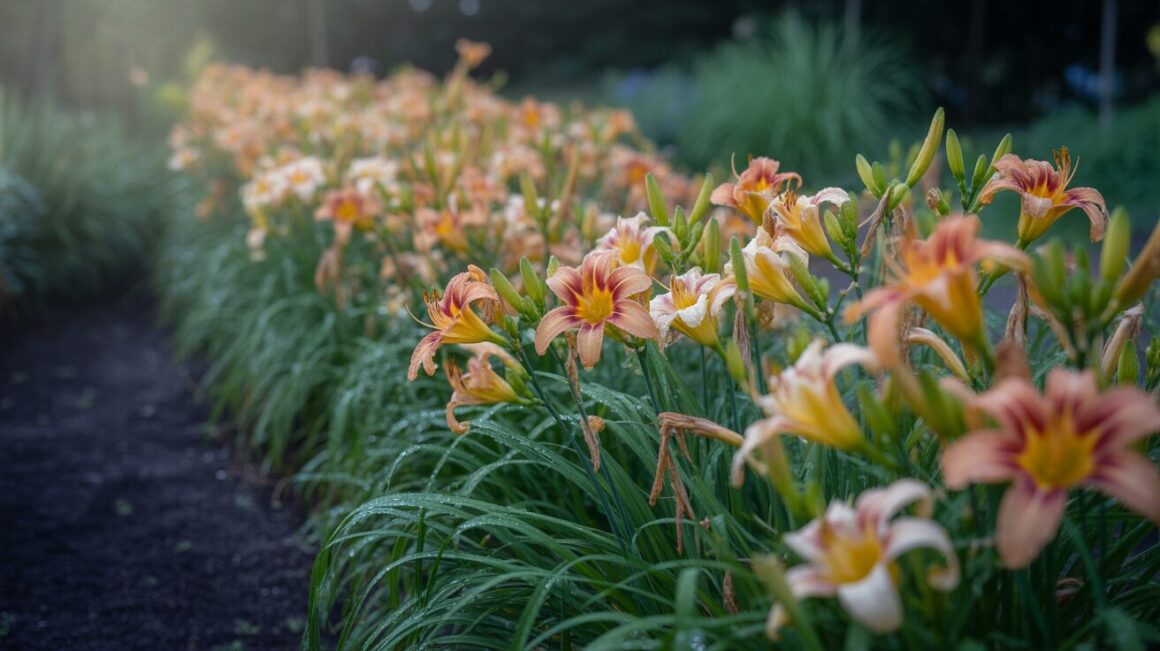
Daylilies are one of those “plant it and forget it” favorites. They come back reliably, handle heat well, and bloom for weeks—often with lots of colorful flowers.
Why it’s low maintenance:
- They’re hardy and grow in many types of soil.
- They don’t mind typical garden neglect once established.
- You can remove spent blooms if you want, but it’s not required.
What to do for best results (simple version):
- Plant in full sun to part shade.
- Water regularly the first growing season.
- After flowering, cut back the flower stalks.
Good for: sunny borders, front yard beds, and anyone who wants dependable color.
2. Coneflower (Echinacea)

Coneflowers are tough and cheerful. Their daisy-like blooms with a raised center look amazing and also attract pollinators.
Why it’s low maintenance:
- They’re drought tolerant once established.
- They usually resist pests and diseases.
- They keep standing nicely even when they’re done blooming.
What to do:
- Plant in well-drained soil and give them sun.
- Water during dry stretches in the first year.
- In late fall or early spring, cut them back if you like a neat look.
Bonus: Birds often enjoy the seed heads.
3. Russian Sage (Perovskia atriplicifolia)

If you want that airy, lavender-blue look without babysitting, Russian sage is a great pick. It makes a soft haze of color and works beautifully in modern or cottage-style gardens.
Why it’s low maintenance:
- It thrives in poor soil compared to many plants.
- It’s relatively drought tolerant.
- It grows strongly each year.
What to do:
- Give it full sun.
- Don’t overwater—too much water can make it weaker.
- Cut back in late winter or early spring.
Good for: edging, mass planting, and pollinator-friendly landscapes.
4. Salvia (Perennial Sage, like Salvia nemorosa)

Perennial salvia is a star for gardeners who want steady blooms and easy care. The flower spikes can last a long time, and bees love them.
Why it’s low maintenance:
- It doesn’t usually require complicated care.
- It tolerates dry conditions once settled.
- It can bloom again if you trim it lightly after the first flush.
What to do:
- Plant in sun and well-drained soil.
- Water during the first season.
- Trim back after flowering if you want more blooms.
Tip: Choose varieties suited to your region for best results.
5. Black-Eyed Susan (Rudbeckia)

This is the “bright and happy” perennial. The golden petals and dark centers make it a standout, and it keeps showing up year after year.
Why it’s low maintenance:
- It’s tough and can handle different conditions.
- It self-seeds sometimes, but it’s usually manageable.
- It attracts butterflies and bees.
What to do:
- Plant in sun for best flowering.
- Water until established, then only when it’s very dry.
- Cut back in fall if you prefer tidiness; otherwise, leave seed heads for wildlife.
6. Catmint (Nepeta)

Catmint has a soft, spreading look and produces lots of purple-blue blooms. It’s also excellent for filling gaps between slower plants.
Why it’s low maintenance:
- It’s drought tolerant.
- It grows fast and covers space well.
- It usually needs only light trimming to stay neat.
What to do:
- Plant in full sun to part shade.
- Water first year; then reduce watering.
- Cut back after the first bloom to encourage a second round.
Bonus: It often doesn’t attract many major pests.
7. Peony (Paeonia)

Peonies aren’t always thought of as “low maintenance,” but the truth is: once they’re planted correctly, they’re pretty hands-off. They also have show-stopping blooms.
Why it’s low maintenance:
- After establishment, they require minimal ongoing care.
- They can live for decades.
- You don’t need to deadhead like some other flowers.
What to do:
- Plant in a sunny spot and give it time—peonies can take a while to settle.
- Water during dry spells early on.
- In fall, cut back foliage and clean up.
Important: Don’t move peonies often. Choose the spot carefully the first time.
8. Yarrow (Achillea millefolium)

Yarrow is a tough perennial with flat-topped clusters of blooms. It’s great for natural-looking gardens and works well in sunny, dry areas.
Why it’s low maintenance:
- It’s drought tolerant.
- It’s hardy in many climates.
- It often keeps blooming with little fuss.
What to do:
- Plant in full sun.
- Water lightly during establishment, then less often.
- Cut back after flowering if you want a tidy look.
9. Blanket Flower (Gaillardia)

Blanket flower brings bold, warm colors—reds, oranges, and yellows—that look amazing in summer. It’s also a strong option for low maintenance beds.
Why it’s low maintenance:
- It handles heat and dry weather.
- It doesn’t require rich soil to perform well.
- It often keeps blooming for a long stretch.
What to do:
- Plant in sun with good drainage.
- Water during the first year, then only when needed.
- Deadheading is optional, but a quick trim can help keep it going.
10. Lavender (Lavandula)
Lavender gives your garden fragrance and a clean, elegant look. It’s a great choice if you want something low maintenance that also feels special.
Why it’s low maintenance:
- It prefers dry conditions, so you won’t be watering it constantly.
- It can thrive for years with the right planting spot.
- Pruning is simple and only done once or twice a year.
What to do:
- Plant in full sun and well-drained soil.
- Water regularly in the first season, then reduce.
- In spring, lightly prune shape; in fall, avoid heavy cuts.
Key detail: Lavender hates soggy soil. If your ground stays wet, improve drainage.
11. Hosta (Hosta spp.)
Hosta is the go-to perennial for shade gardens. If your garden has areas that don’t get much sun, hosta can still look full and lush.
Why it’s low maintenance:
- It grows well in shade with consistent moisture.
- It’s easy to keep looking healthy.
- It fills space nicely, so you get fewer bare gaps.
What to do:
- Plant in partial to full shade.
- Water when the top inch of soil dries (especially in hot weather).
- In spring, remove old leaves and keep an eye on slugs if they’re common in your area.
Note: Many gardeners love hosta, but slugs can be a “watch item.” It’s not constant work—just occasional checking.
12. Ornamental Grass (like Blue Fescue or Switchgrass)
Ornamental grasses add movement, texture, and year-round structure. In a low maintenance garden, they’re a secret weapon because they look good even when they’re not flowering.
Why it’s low maintenance:
- They’re hardy and don’t need constant trimming.
- They provide structure through winter.
- You usually just cut them back once a year.
What to do:
- Plant in the right light for the grass type (often sun).
- Water the first year, then reduce.
- In early spring, cut back dead blades and remove old growth.
Bonus: Grasses also help your garden look intentional without constant replanting.
Common Mistakes
Even with low maintenance perennials, a few common mistakes can turn “easy” into “annoying.” Here are the ones I try to avoid:
- Planting in the wrong light
If a plant needs sun and you give it shade, it may struggle and require more attention. Check light needs before you plant.
- Overwatering from day one
Many hardy perennials prefer to dry out between waterings. Overwatering can cause root problems, especially for drought-tolerant plants like lavender and yarrow.
- Skipping soil drainage
If your soil stays wet, certain plants (like lavender) will not thrive. If you’re unsure, improve drainage with compost and proper planting techniques.
- Not watering during the first season
Low maintenance usually assumes the plant gets established first. Plan to water more consistently for the first year, then relax.
- Crowding plants too close
It might look full at first, but crowded perennials compete for water and nutrients. Follow spacing guidelines so airflow is good.
- Cutting back at the wrong time
Some perennials look good through winter and protect themselves with leaf or stem structure. When in doubt, cut back in late winter or early spring (unless the plant’s label suggests otherwise).
FAQ
How do I choose the best low maintenance perennials for my yard?
Start with your sunlight. Most of the work is matching plants to light: full sun, part shade, or shade. Next, consider soil drainage. If you have heavy, wet soil, pick plants that handle it or improve drainage. Lastly, choose perennials that are known for your climate zone.
Do low maintenance perennials need watering?
Yes—at least at first. I recommend watering regularly during the first growing season to help roots grow strong. After that, many of these plants become much more drought tolerant, so you’ll water mostly during heat waves or long dry spells.
Should I deadhead to keep them blooming?
It’s optional. Deadheading can improve bloom length for some plants, like salvia or catmint. But if you want the truly easy approach, you can leave blooms on most perennials and still get a good show.
Will these plants spread or take over?
Some may self-seed (like black-eyed Susan or yarrow). Many ornamental plants can also spread gradually over time. This is normal, and it’s not always a problem—you can manage it with simple thinning or occasional dividing.
When should I cut them back?
A common approach is cutting back in late fall or early spring. For most flowering perennials, I usually wait until late winter or early spring so the plants look good and provide winter interest and protection.
Conclusion
If you want a garden that looks great with less work, perennials are one of the best ways to get there. With these 12 options—daylilies, coneflowers, Russian sage, perennial salvia, black-eyed Susan, catmint, peonies, yarrow, blanket flower, lavender, hosta, and ornamental grasses—you can build a colorful yard that doesn’t demand constant attention.
Here’s my simple plan for you: pick a mix that fits your sun and soil, water a bit more during the first season, and then enjoy the “set it and relax” nature of true low maintenance perennials. If you want, tell me your zone (or general region) and whether your yard is mostly sunny or shady, and I can help you choose the best 6–8 for your space.

Samuel Michael
I've have been involved in Backyard Farm for over 15 years, especially livestock and market gardening. I blog at my free Time and ive My most helpful thoughts on this blog.

