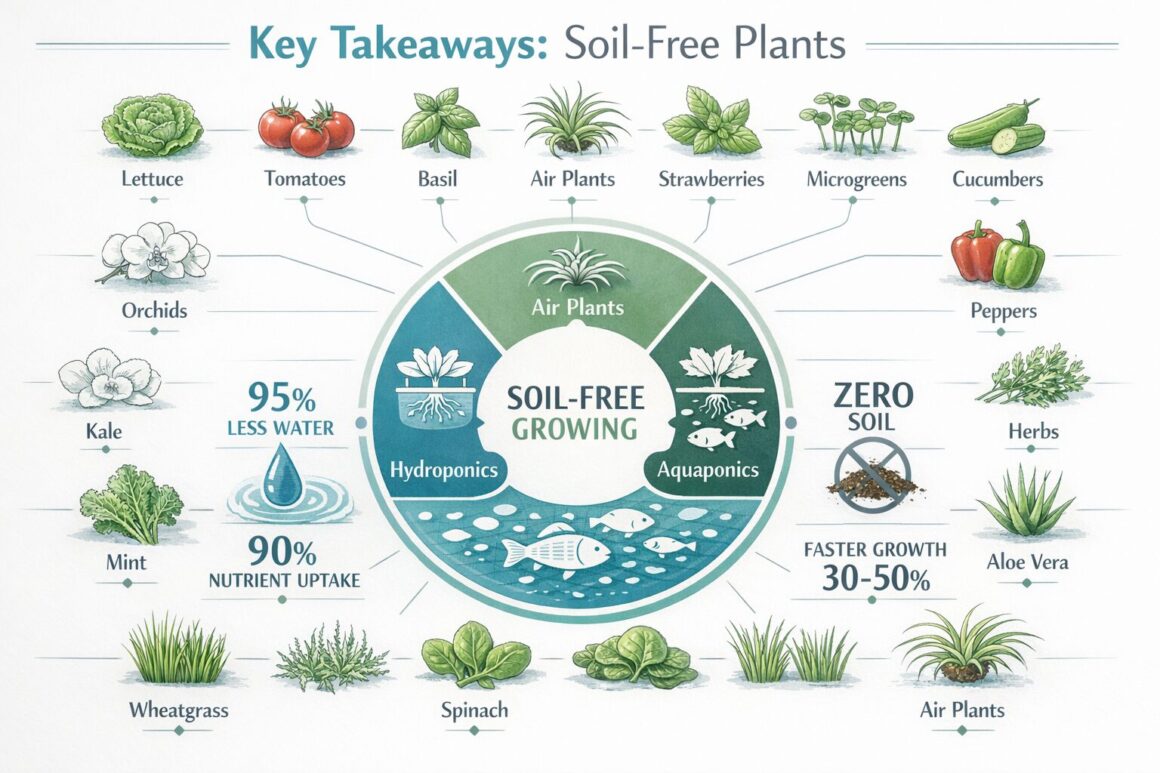

Yes, there are many plants that can grow without soil, and this guide covers 14 plants that dont need soil in a simple, practical way. Most of these plants grow in water, bark, moss, pebbles, or just air, which makes them great for small spaces, easy décor, and low-mess indoor gardening.
Key Takeaways
- 14 plants that dont need soil can grow in water, air, or alternative growing media.
- Air plants are the best choice if you want a true no-soil plant.
- Pothos, philodendron, and lucky bamboo are among the easiest plants to grow in water.
- Orchids and staghorn ferns do not grow in regular potting soil, but they still need support like bark or a mount.
- Water-grown plants need clean containers and regular water changes.
- Not every houseplant can live in water long term, so species choice matters.
- Choose clear jars if you want to see roots, but keep them out of harsh direct sun to reduce algae.
- If growth slows, a small amount of hydroponic nutrient often helps.
- Soil-free growing works best indoors with bright, indirect light.
- Beginners usually succeed fastest with lucky bamboo, spider plant babies, and pothos.
What does it mean for plants to grow without soil?
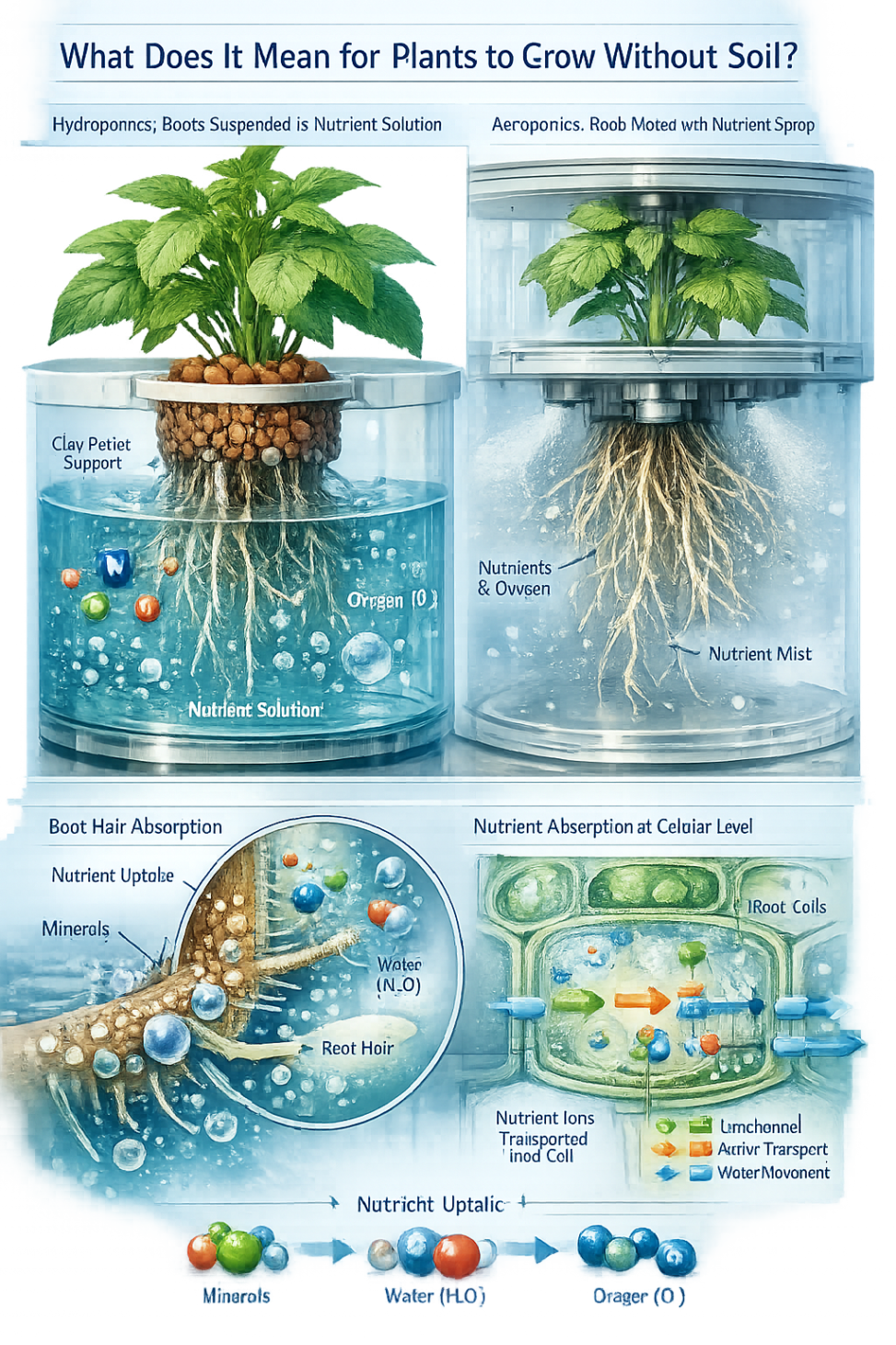
Plants do not always need soil itself. Plants need water, oxygen, light, and nutrients, and some species can get those needs met through water, bark, moss, or air instead of potting mix.
Soil is mainly a support system and nutrient reservoir. When you remove soil, you must replace its job in another way:
- Water culture: roots sit in water
- Hydroponics: roots grow in water with added nutrients
- Epiphytes: plants grow on bark, wood, or another plant
- Air-growing plants: plants absorb moisture from the air
“Soil-free growing is less about skipping care and more about changing the system.”
If you want less mess, fewer fungus gnats, or a cleaner indoor setup, soil-free growing can be a smart option.
Which of the 14 plants that dont need soil are easiest for beginners?
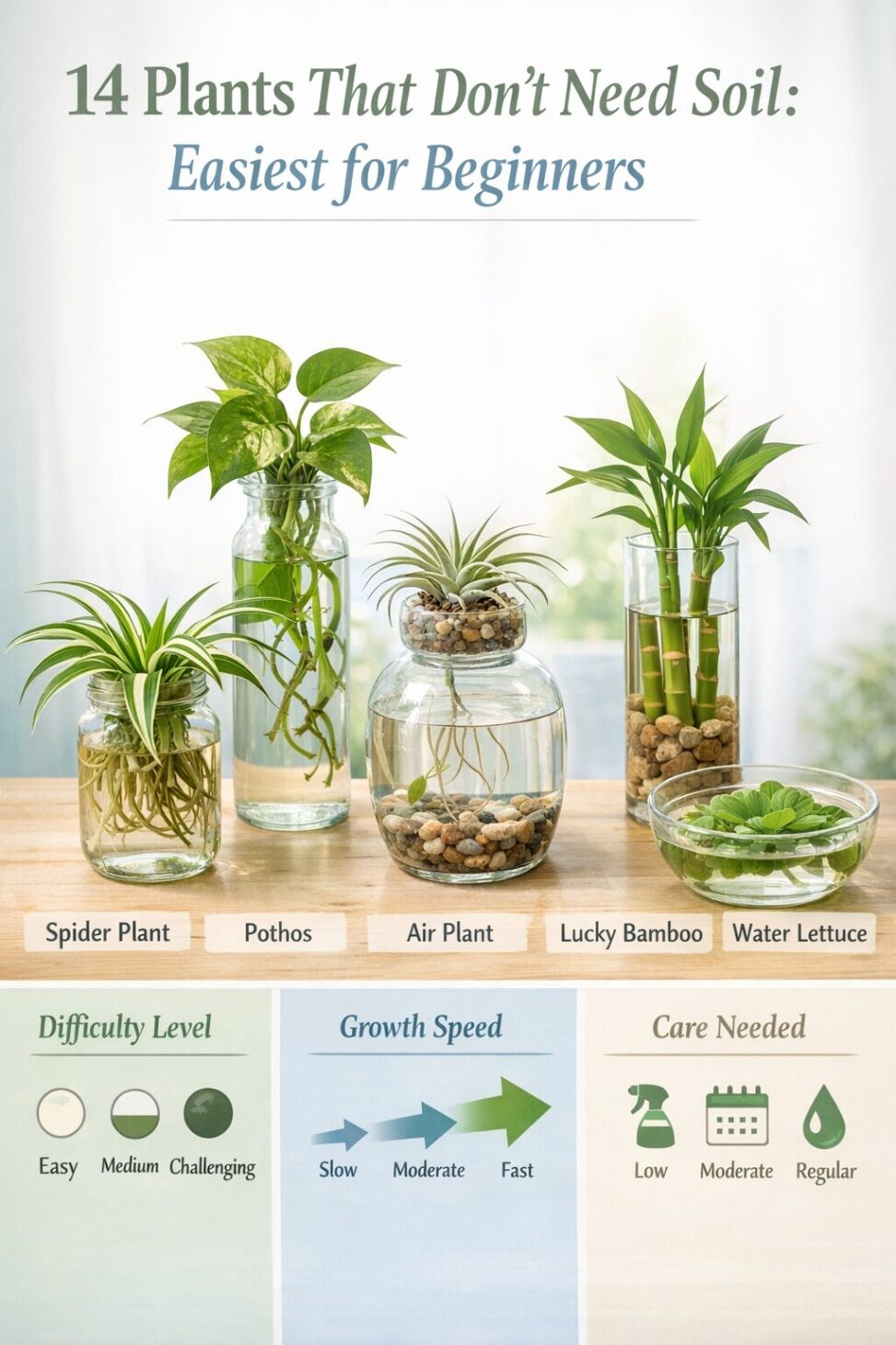
For most beginners, the easiest picks from these 14 plants that dont need soil are lucky bamboo, pothos, spider plant, philodendron, and air plants. These plants tolerate small mistakes and adapt well to indoor conditions.
Here are the 14 plants, with the simplest growing method for each:
Air plant (Tillandsia)
Needs no soil at all. Mist regularly or soak briefly, then dry fully.Lucky bamboo
Grows well in water with pebbles for support.Pothos
Cuttings root fast in water and can stay there long term.Heartleaf philodendron
Very similar to pothos, easy in jars or vases.Spider plant
Baby plantlets root quickly in water.Peace lily
Can adapt to water culture if you rinse off all soil first.English ivy
Grows from cuttings in water, though it needs bright light and pruning.Coleus
Roots very fast in water and adds strong color.Chinese evergreen cuttings
Some cuttings root in water, though long-term success varies by variety.Monstera adansonii
Often grown from cuttings in water for a striking look.Herbs like mint
Mint grows well in water if you refresh it often.Paperwhite narcissus
Bulbs grow in pebbles and water, no soil needed.Orchid
Orchids do not grow in regular soil; they prefer bark or moss.Staghorn fern
Usually mounted on wood, not planted in potting soil.
Choose lucky bamboo or pothos if you want the highest chance of success.
Choose air plants if you want true no-soil décor.
How do the 14 plants that dont need soil actually grow?
The 14 plants that dont need soil grow in different ways, and that difference matters. Some live only in water for a while, some can stay in water long term, and some are not water plants at all but epiphytes that want airflow around their roots.
Quick comparison table
| Plant | Best no-soil method | Best for | Watch out for |
|---|---|---|---|
| Air plant | Air + misting/soaking | Minimalist décor | Rot if left wet too long |
| Lucky bamboo | Water + pebbles | Beginners | Yellowing from poor water quality |
| Pothos | Water | Easy propagation | Weak growth without nutrients |
| Philodendron | Water | Trailing display | Leggy growth in low light |
| Spider plant | Water | Fast rooting babies | Slow long-term growth |
| Peace lily | Water culture | Elegant indoor display | Root rot if water gets dirty |
| English ivy | Water | Cool trailing look | Can get messy and leggy |
| Coleus | Water | Colorful cuttings | Needs frequent trimming |
| Chinese evergreen | Water cutting | Experimenters | Not all varieties adapt equally |
| Monstera adansonii | Water | Decorative cuttings | Needs node below water |
| Mint | Water | Kitchen use | Gets woody without refresh |
| Paperwhites | Pebbles + water | Seasonal blooms | Usually short-term display |
| Orchid | Bark or moss | Bloom lovers | Crown rot from overwatering |
| Staghorn fern | Mounted board | Statement plant | Drying out too fast |
Decision rule
- Choose water-grown plants if you want visible roots and easy propagation.
- Choose epiphytes like orchids or staghorn ferns if you want long-term, soil-free structure.
- Choose bulbs like paperwhites if you want short seasonal blooms.
What are the best growing methods besides soil?
The best alternatives to soil are water culture, hydroponics, bark, sphagnum moss, and mounted displays. The right method depends on the plant, your light, and how much maintenance you want.
1. Water in jars or vases
Best for:
- Pothos
- Philodendron
- Lucky bamboo
- Spider plant babies
- Mint
Tips:
- Keep at least one node under water for cuttings
- Change water every 1 to 2 weeks
- Rinse roots and container to reduce slime and algae
2. Bark or moss
Best for:
- Orchids
- Some ferns
- Certain epiphytes
Tips:
- Bark gives airflow, which many orchid roots need
- Moss holds more moisture, so use it if your home is very dry
3. Mounted growing
Best for:
- Air plants
- Staghorn ferns
Tips:
- Mount on wood, cork, or plaques
- Mist or soak based on indoor humidity
4. Simple hydroponics
Best for:
- Indoor growers who want faster growth
Tips:
- Add a light nutrient solution
- Avoid overfeeding, especially in small containers
Common mistake: treating all no-soil plants like water plants. An orchid in standing water and an air plant in a dark bathroom usually fail for the same reason: the method doesn’t match the species.
How do I care for 14 plants that dont need soil at home?
To care for 14 plants that dont need soil, focus on light, clean water, airflow, and occasional nutrients. Soil-free plants are often simple, but they are not “set and forget.”
Easy care checklist
Pick the right plant for your room
- Low to medium light: lucky bamboo, peace lily, pothos
- Bright indirect light: air plants, orchids, monstera adansonii
Use the right water
- Tap water is fine in many homes
- If lucky bamboo or air plants get brown tips, try filtered or distilled water
Refresh water regularly
- Every 7 to 14 days is a practical rule for jars
- Sooner if the water turns cloudy
Feed lightly
- Water-grown plants may need a diluted hydroponic or houseplant nutrient
- Use less than you would for soil unless the product says otherwise
Watch the roots
- Healthy roots are usually firm
- Trim mushy, brown, or foul-smelling roots
Keep leaves dry when needed
- Orchid crowns are sensitive to trapped water
- Air plants must dry after soaking
Quick example
If I’m setting up a low-maintenance desk plant, I’d choose pothos in a glass jar over an orchid. Pothos handles average indoor conditions much better and usually roots faster.
What are the pros and cons of growing plants without soil?
Growing plants without soil is great for clean indoor displays, propagation, and small-space gardening, but it also comes with limits. The biggest tradeoff is that you often need to manage water quality and nutrients more closely.
Pros
- Less mess indoors
- No spilled potting mix
- Easy to see root health
- Good for propagation
- Can reduce some soil pests
- Stylish look in glass containers
Cons
- Water must be changed
- Nutrients run out faster than in soil
- Some plants survive, but do not thrive, long term in plain water
- Algae can form in clear containers
- Species selection is more limited
Choose soil-free growing if you value clean setup and simple maintenance.
Choose soil if you want stronger long-term growth for demanding plants.
What problems happen most often, and how do you fix them?
The most common problems are yellow leaves, root rot, algae, weak growth, and dried-out air plants. Most of these issues come from dirty water, poor light, or using the wrong no-soil method for the plant.
Common problems and fixes
Yellowing lucky bamboo
- Often linked to poor water quality or too much sun
- Fix: switch to filtered water and bright indirect light
Pothos not growing in water
- Often needs more light or light feeding
- Fix: move closer to a window and add diluted nutrient occasionally
Air plant turning mushy
- Usually from trapped moisture
- Fix: improve airflow and let it dry upside down after soaking
Orchid roots rotting
- Usually from waterlogged media or water in the crown
- Fix: repot in fresh bark and keep the crown dry
Green algae in jars
- Light plus standing water causes it
- Fix: clean the jar and use opaque or shaded containers
Edge case
A cutting may root in water but still fail long term. That does not mean you did anything wrong. It may simply be a plant that prefers water for propagation, not permanent growing.
Are soil-free plants right for everyone?
Soil-free plants are best for people who want easy indoor greenery, propagation projects, or decorative displays without potting mix. They are not the best fit if you want maximum growth with very little monitoring.
Best for
- Apartment dwellers
- Beginners
- People who dislike messy repotting
- Anyone propagating cuttings
- Decorative shelf and desk setups
Not ideal for
- People who forget water changes
- Homes with very low light
- Growers expecting every plant to live forever in plain water
FAQ
Can plants really live without soil?
Yes. Many plants can live without soil if they still get water, oxygen, light, and nutrients.
What plant needs no soil at all?
Air plants are the clearest example because they do not need potting mix and absorb moisture from the air.
Can pothos live in water forever?
Pothos can live in water for a long time, but it often grows better with occasional nutrients and regular water changes.
Is lucky bamboo actually bamboo?
No. Lucky bamboo is not true bamboo; it is commonly sold as a water-grown houseplant.
Do orchids need soil?
No. Orchids should not be planted in regular potting soil and usually do better in bark or moss.
What is the easiest no-soil plant for beginners?
Lucky bamboo and pothos are usually the easiest starting points for beginners.
How often should I change water for plants?
A practical rule is every 1 to 2 weeks, or sooner if the water looks cloudy.
Can herbs grow without soil?
Some herbs, especially mint, can grow in water for a period of time and are easy to start from cuttings.
Why do roots rot in water?
Roots rot when oxygen is too low, water stays dirty, or the plant is not suited to constant water exposure.
Are soil-free plants lower maintenance?
Sometimes, but not always. They are less messy, but they still need clean water, enough light, and the right setup.
Conclusion
The best thing about these 14 plants that dont need soil is how flexible they are. You can grow some in water, display some on wood, and enjoy others with almost no potting mess at all.
If you’re just starting, do this:
- Start with pothos, lucky bamboo, or spider plant babies
- Use a clean jar and bright, indirect light
- Change water every week or two
- Add light nutrients only when growth slows
- Try air plants or orchids next if you want more variety
If you want an easy win, pick one cutting and one true no-soil plant. That gives you a simple test setup and helps you learn fast without spending much.
Sources
No external sources were used.

Samuel Michael
I've have been involved in Backyard Farm for over 15 years, especially livestock and market gardening. I blog at my free Time and ive My most helpful thoughts on this blog.

